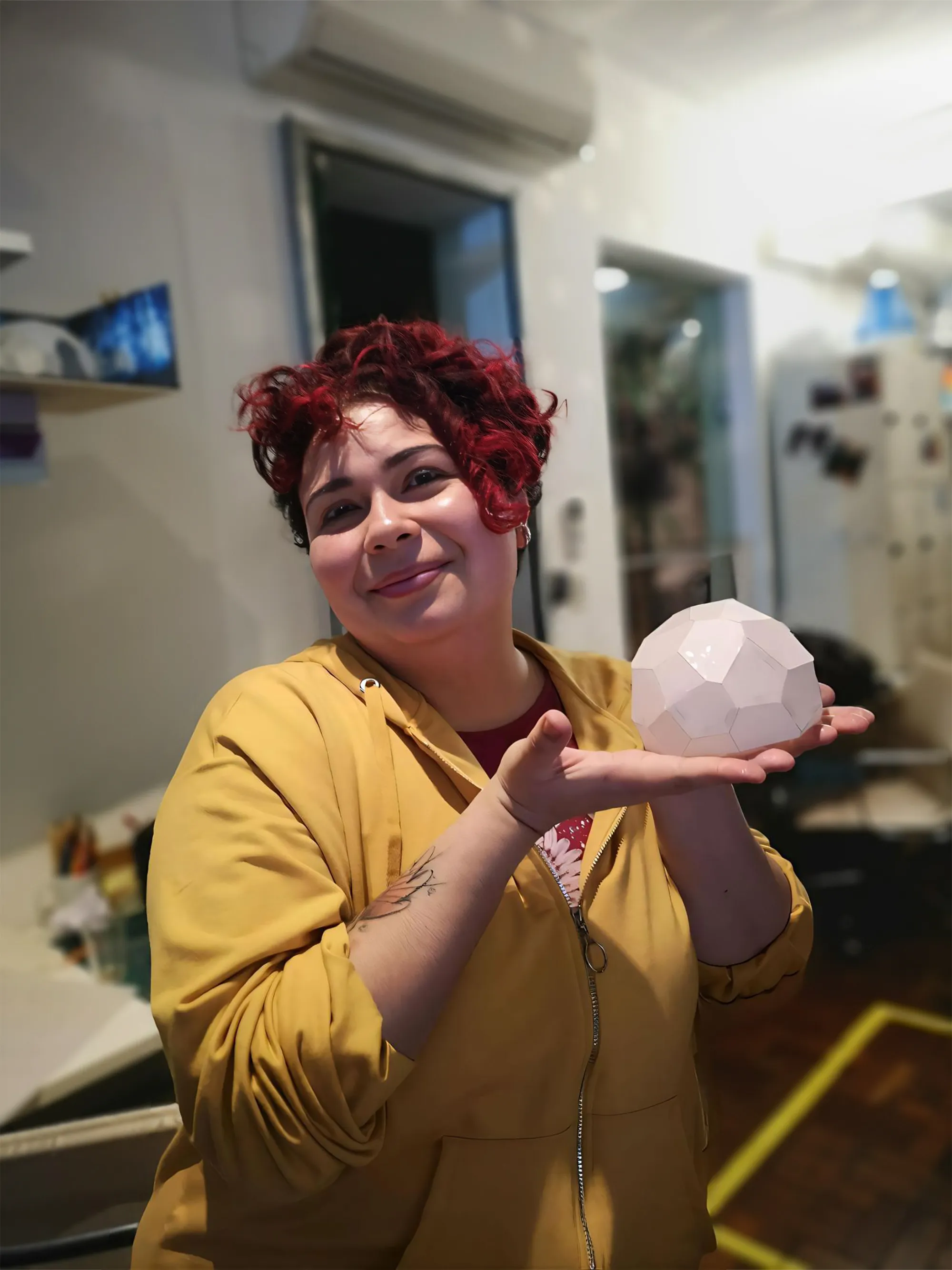
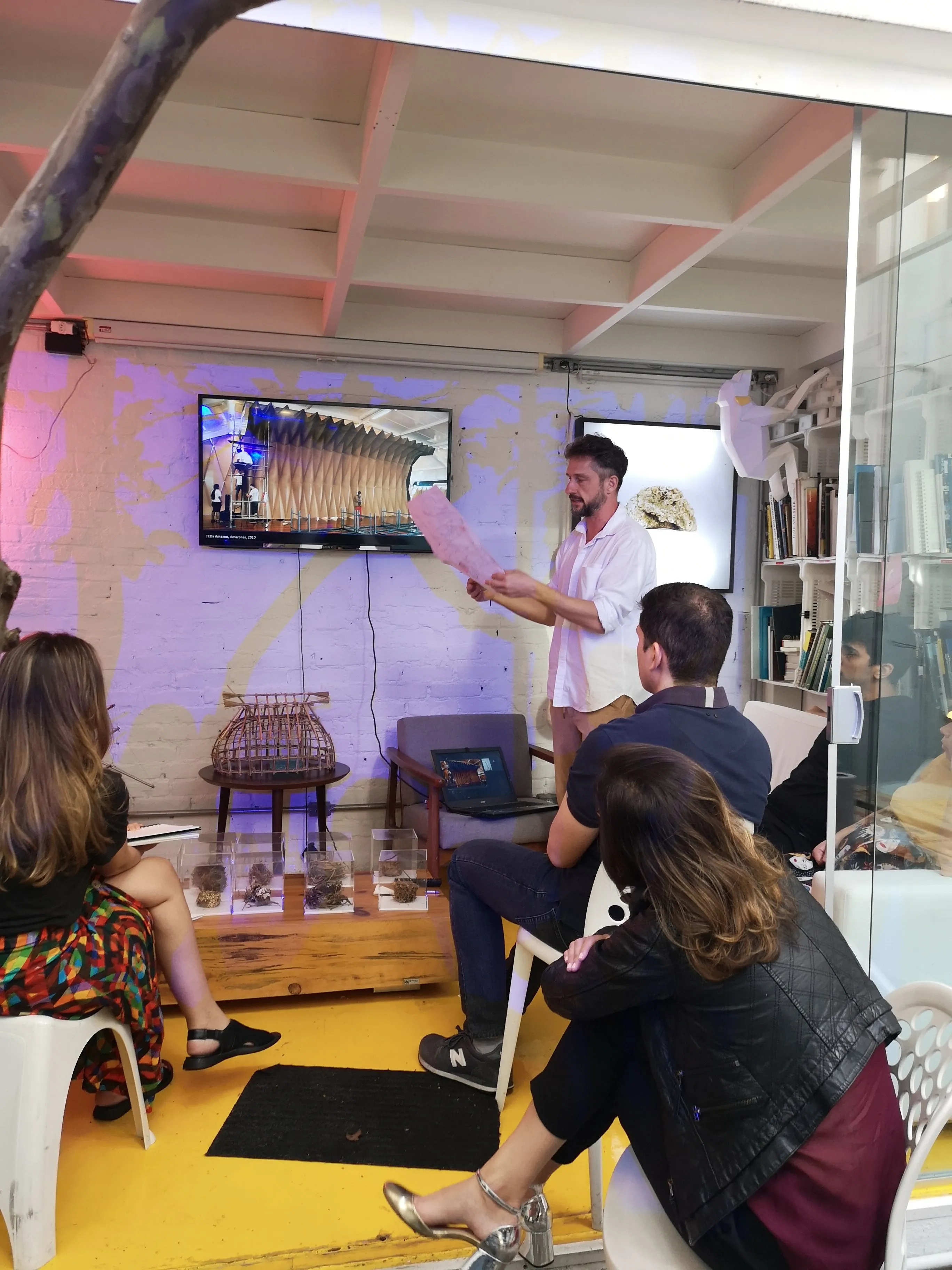
Models byNature 1.0
| Date | |
|---|---|
| Last updated | |
| Authors | Daniel Nunes Locatelli, Adalberto de Paula, Marko Brajovic |
| Place | Atelier Marko Brajovic |
| Location | São Paulo, Brazil |
| Language | Portuguese |
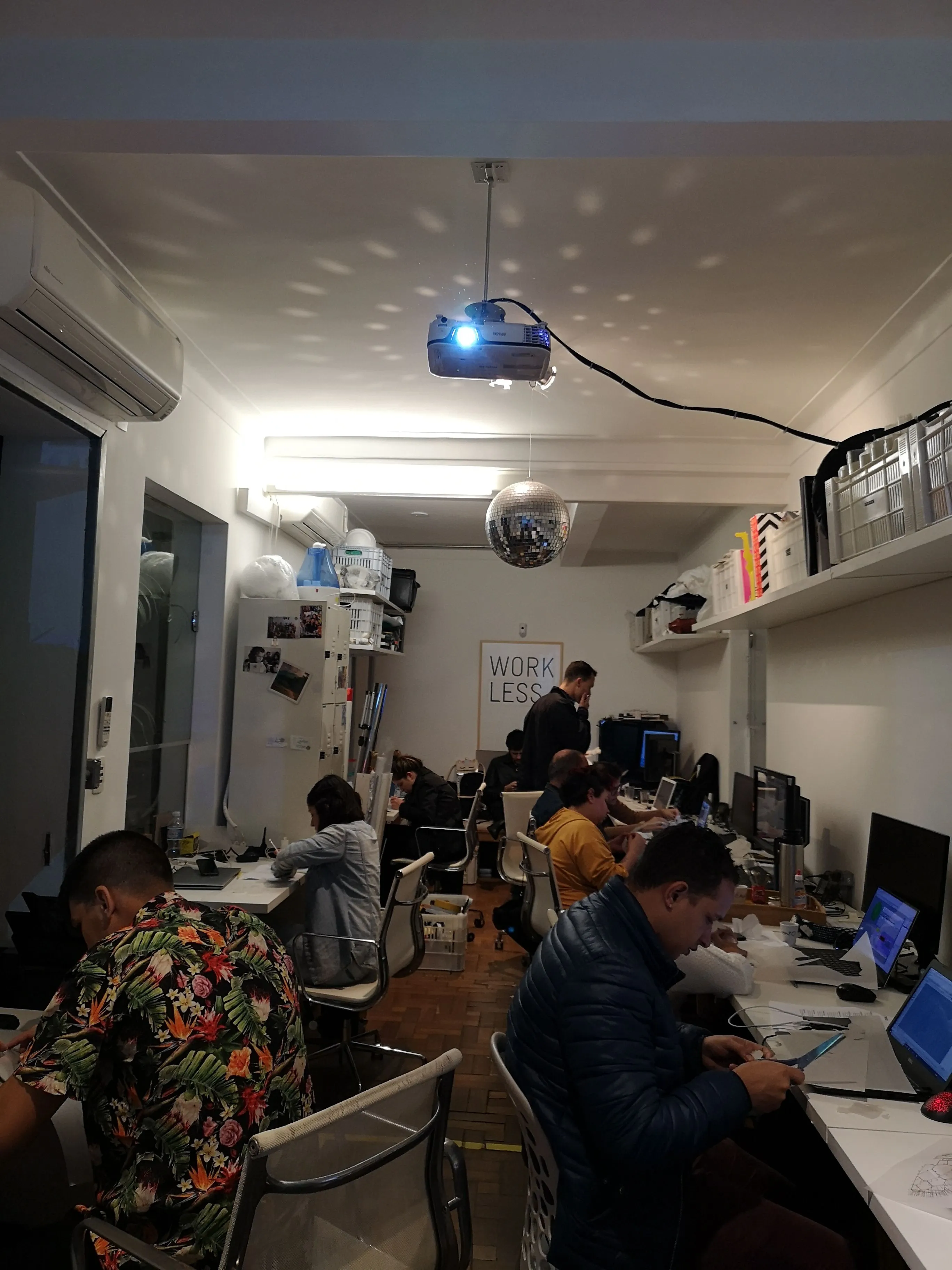
This workshop aimed to connect computational design practices with natural phenomena, addressing biomimetics, modeling with nature, and visual programming language using Rhino and Grasshopper. Organized at Atelier Marko Brajovic in São Paulo and co-taught with Adalberto de Paula, the course spanned three weekends and guided participants from physical experimentation to computational modeling.
Form-finding experiments
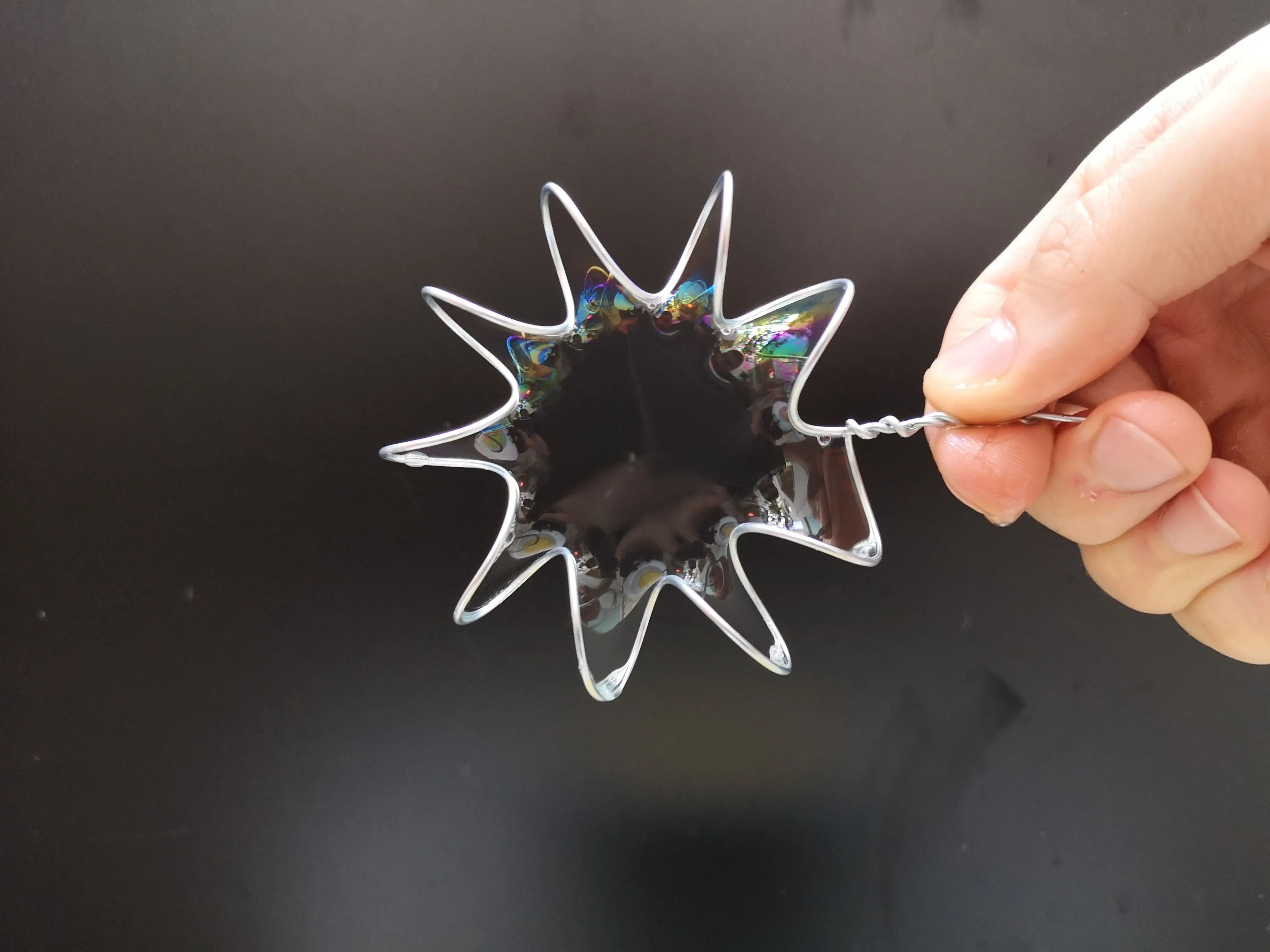
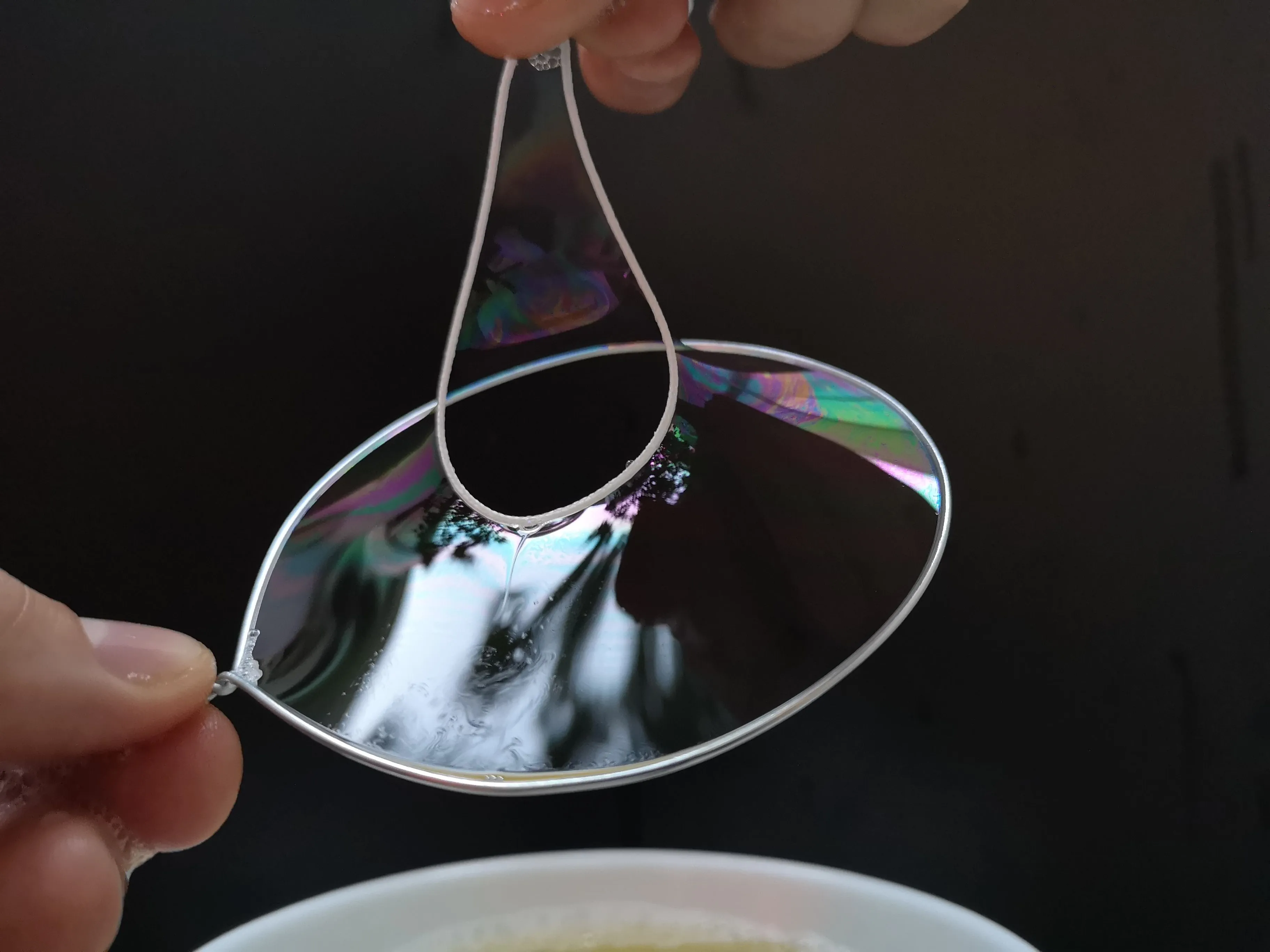
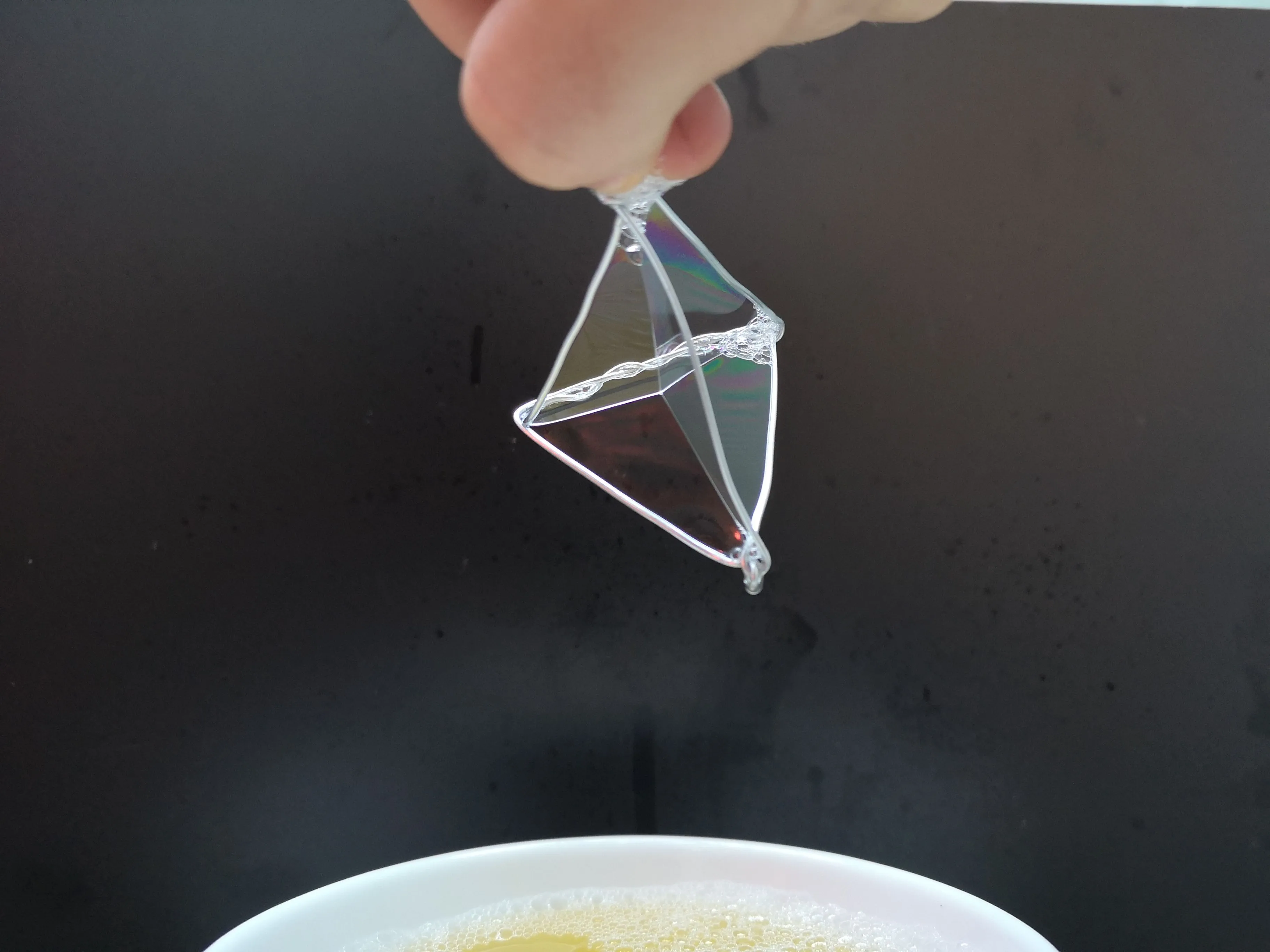
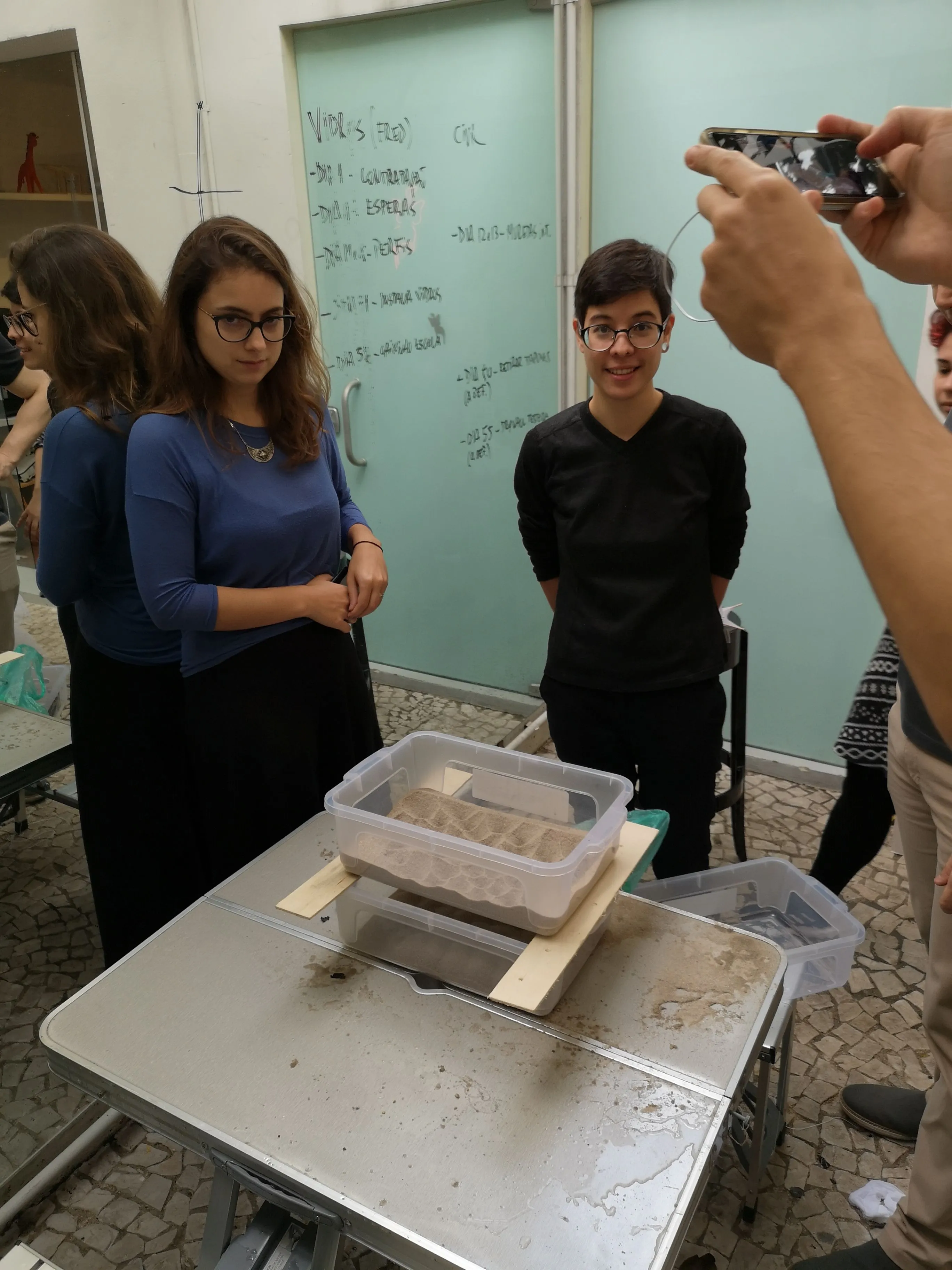
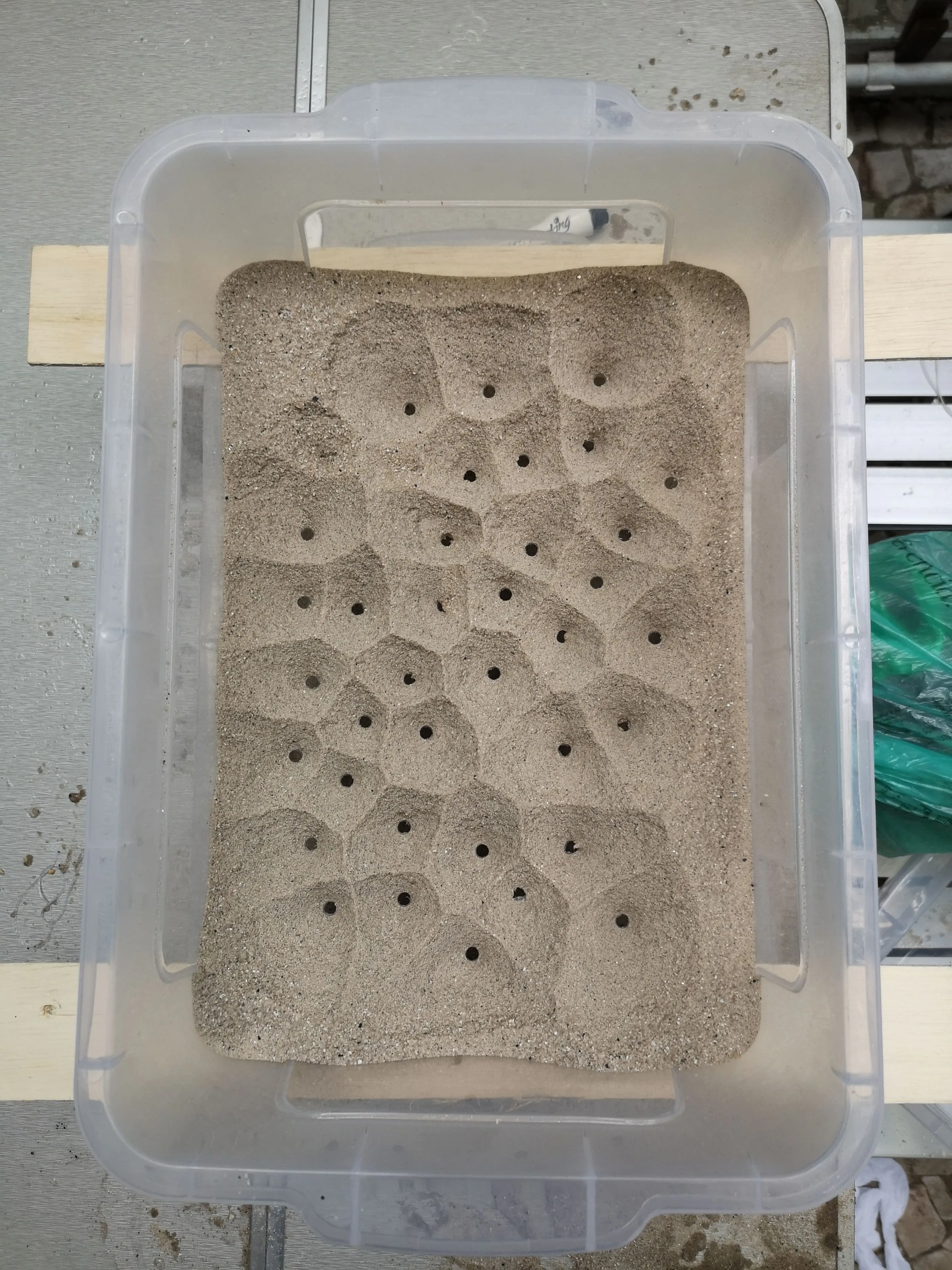
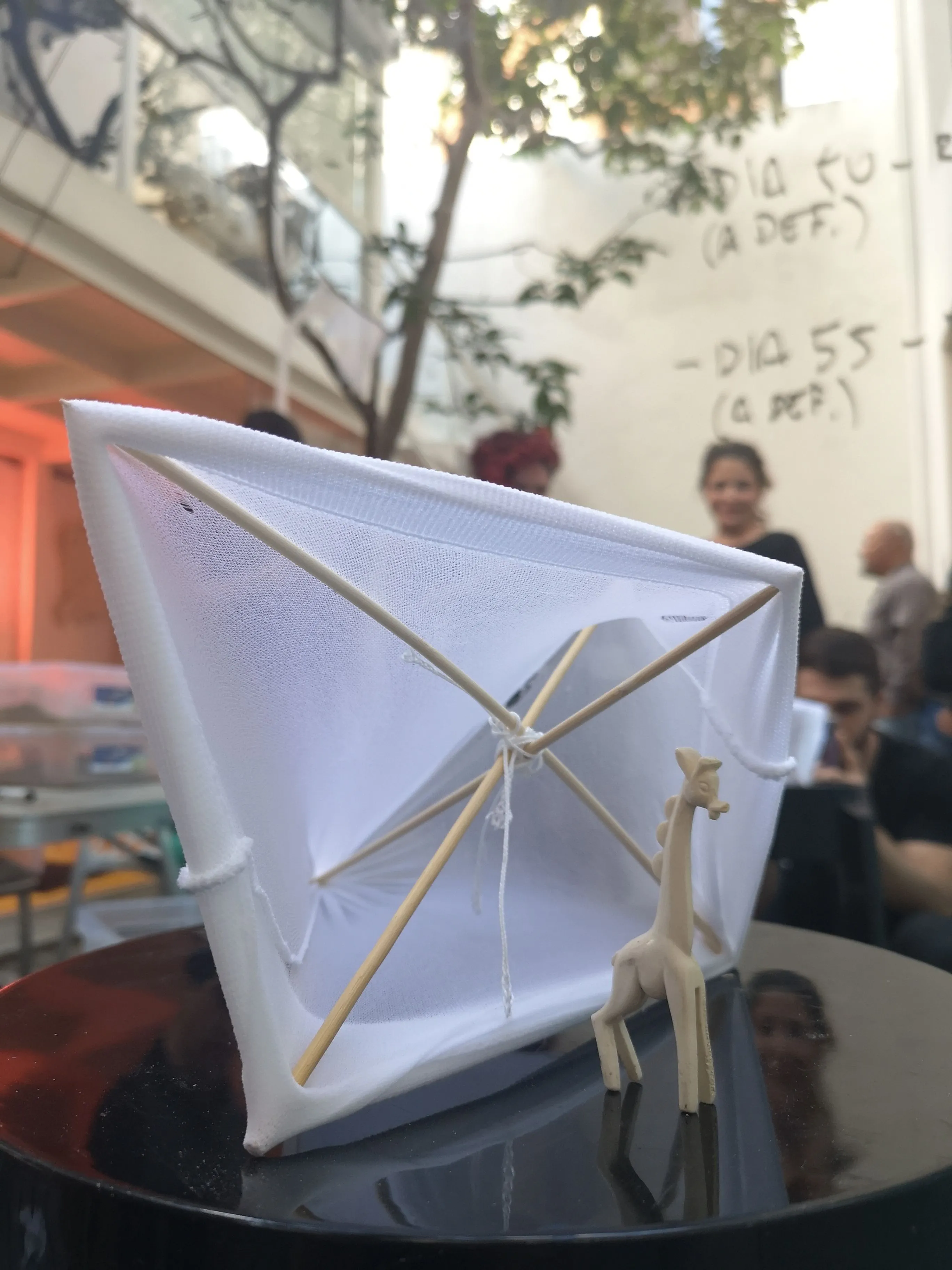
The first day was dedicated entirely to physical form-finding experiments. Before opening any software, participants explored how natural forms emerge through hands-on exercises with everyday materials. Soap films stretched across wire frames revealed minimal surfaces, while sand poured over Voronoi-patterned boundaries demonstrated how granular materials self-organize. Fabric tensioned over frames showed how membrane structures find equilibrium under gravity. These experiments provided an intuitive, tactile understanding of the principles that computational tools later formalize.
Computational design phase
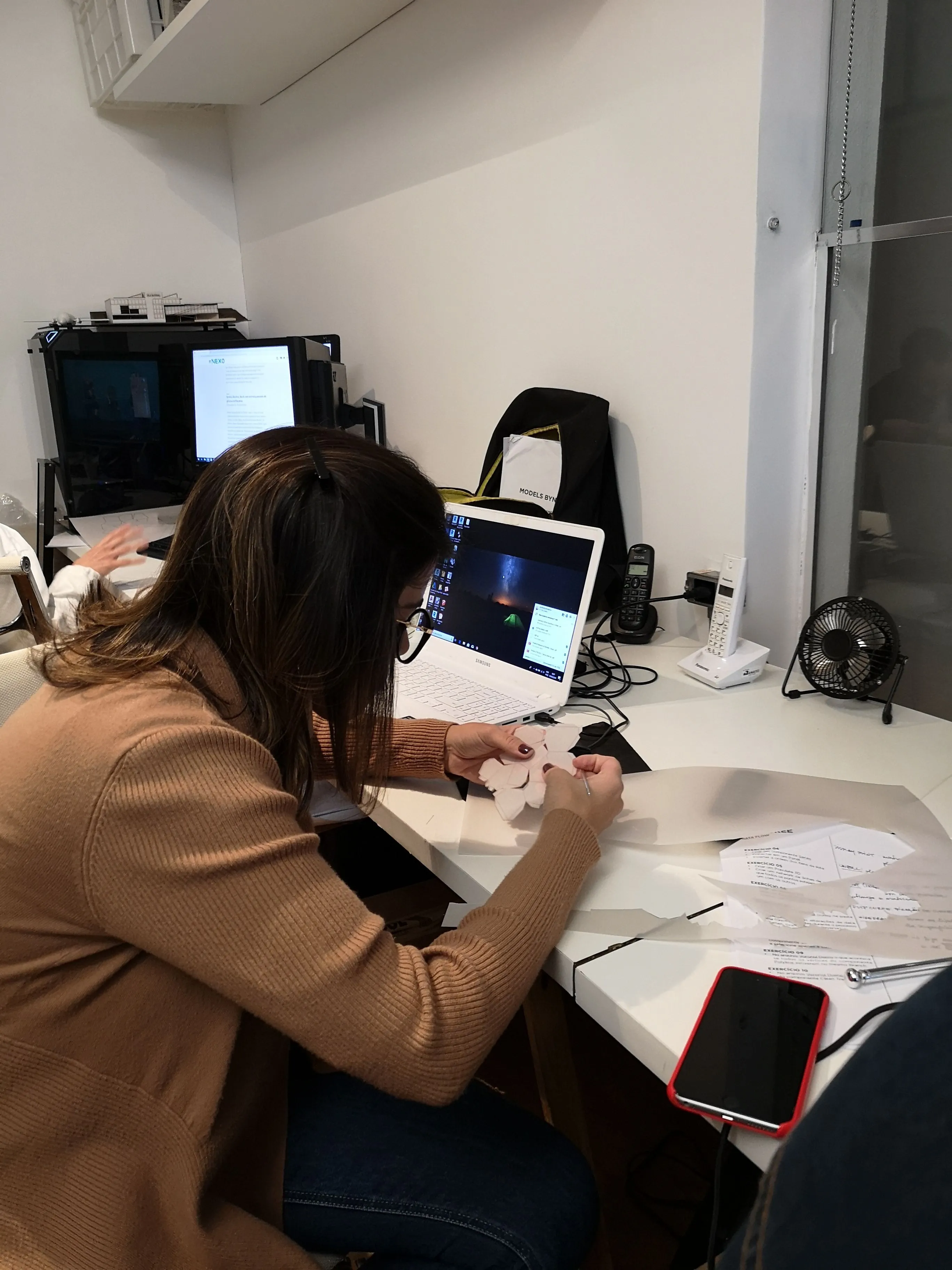
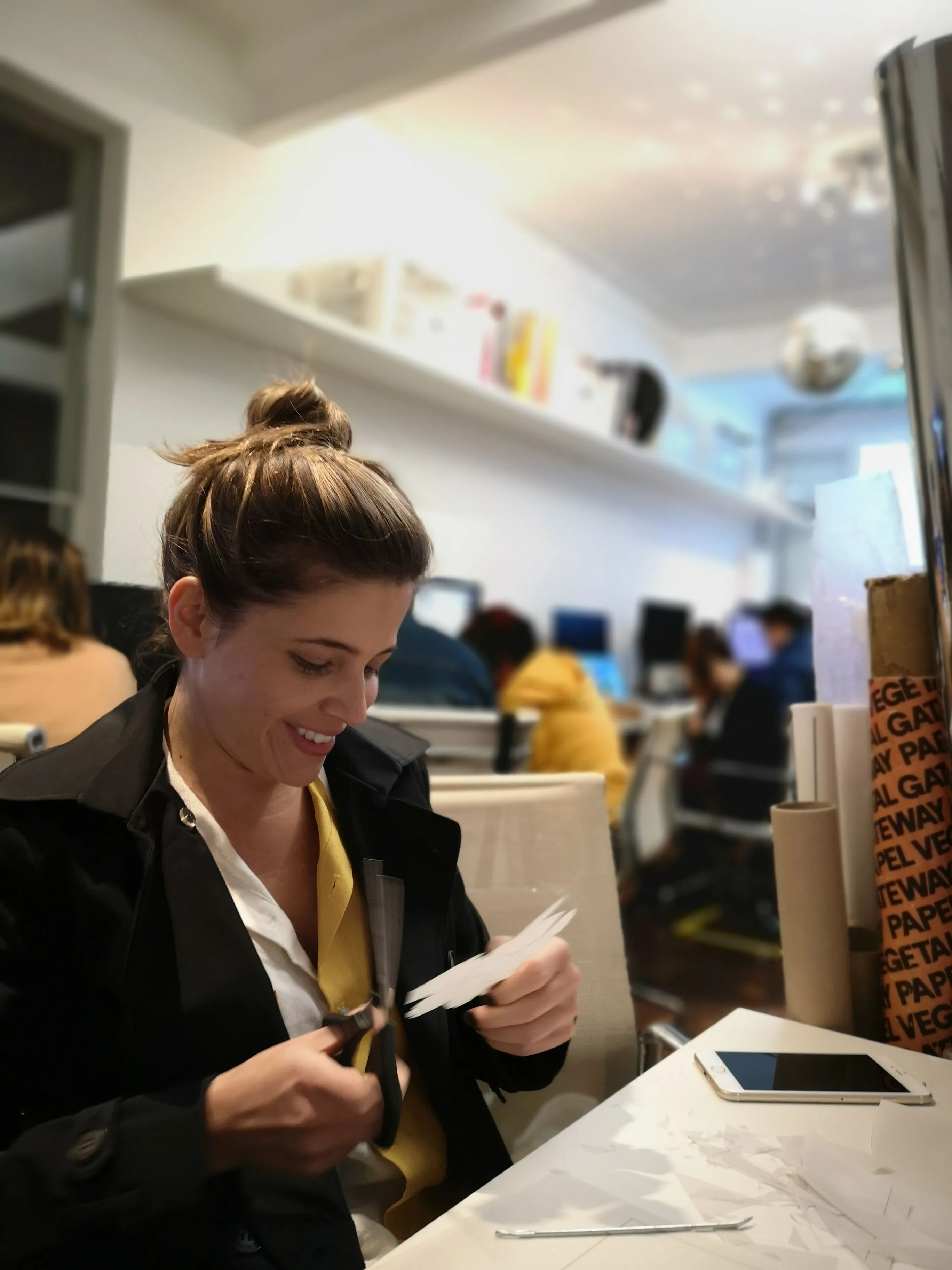
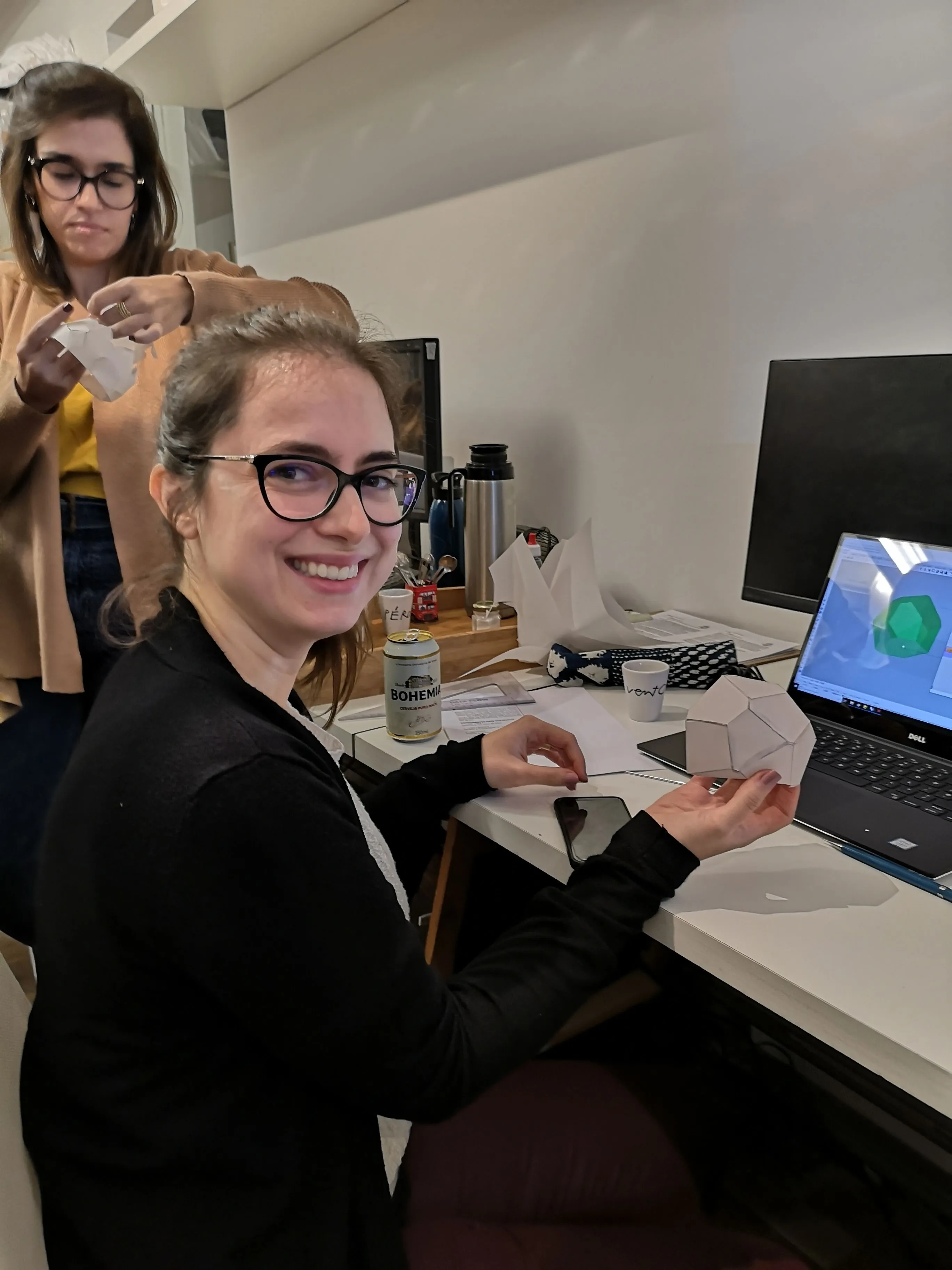
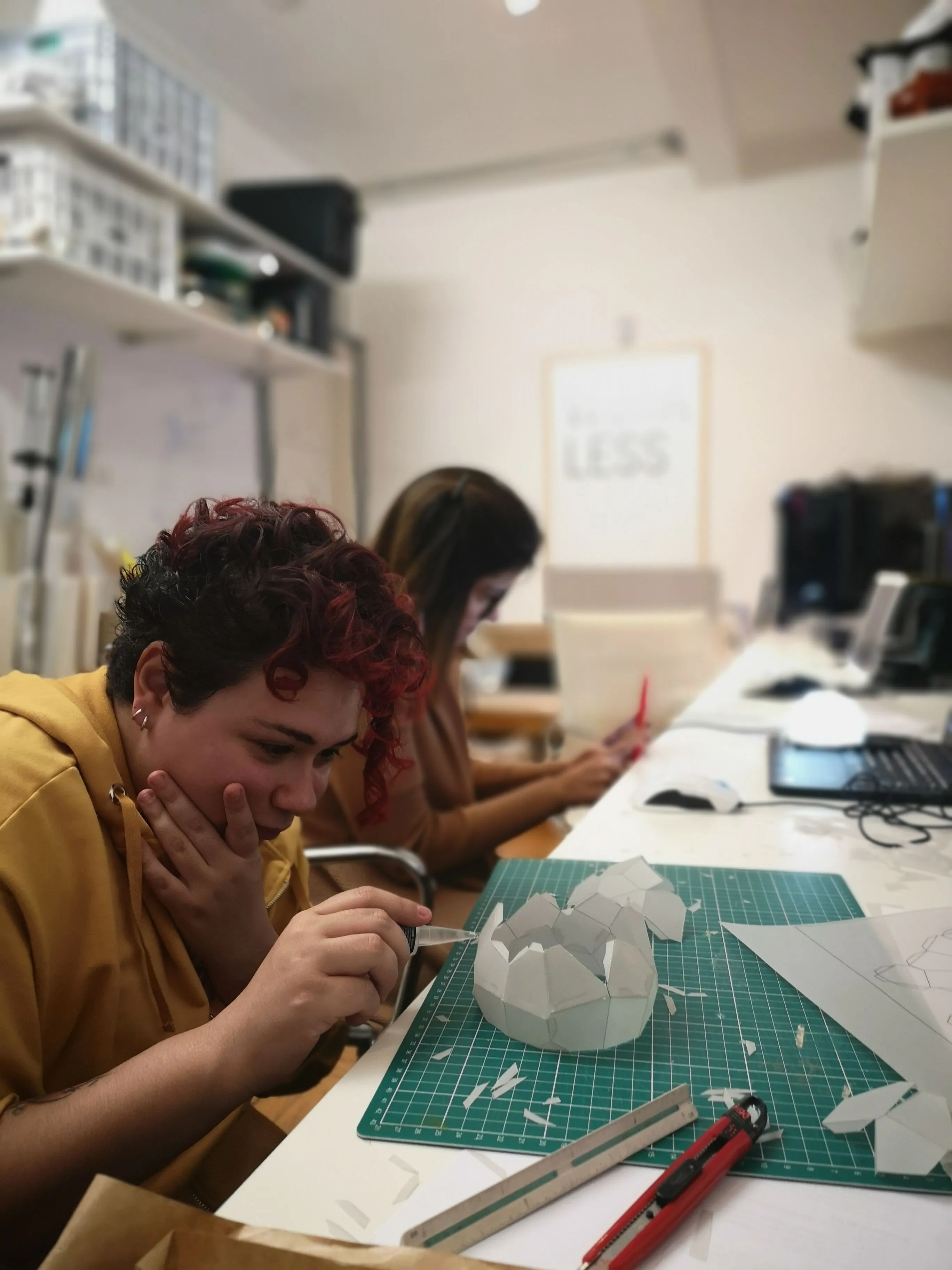
In the following sessions, participants translated their physical experiments into digital models using Rhino and Grasshopper. Topics covered included parametric modeling, Voronoi tessellation, mesh relaxation with Kangaroo, and surface subdivision with Weaverbird. Each participant developed their own design, informed by the natural processes they had observed in the first day. The progression from physical to digital reinforced a core idea of the workshop: computational design is most powerful when grounded in an understanding of the phenomena it simulates.
Final presentations
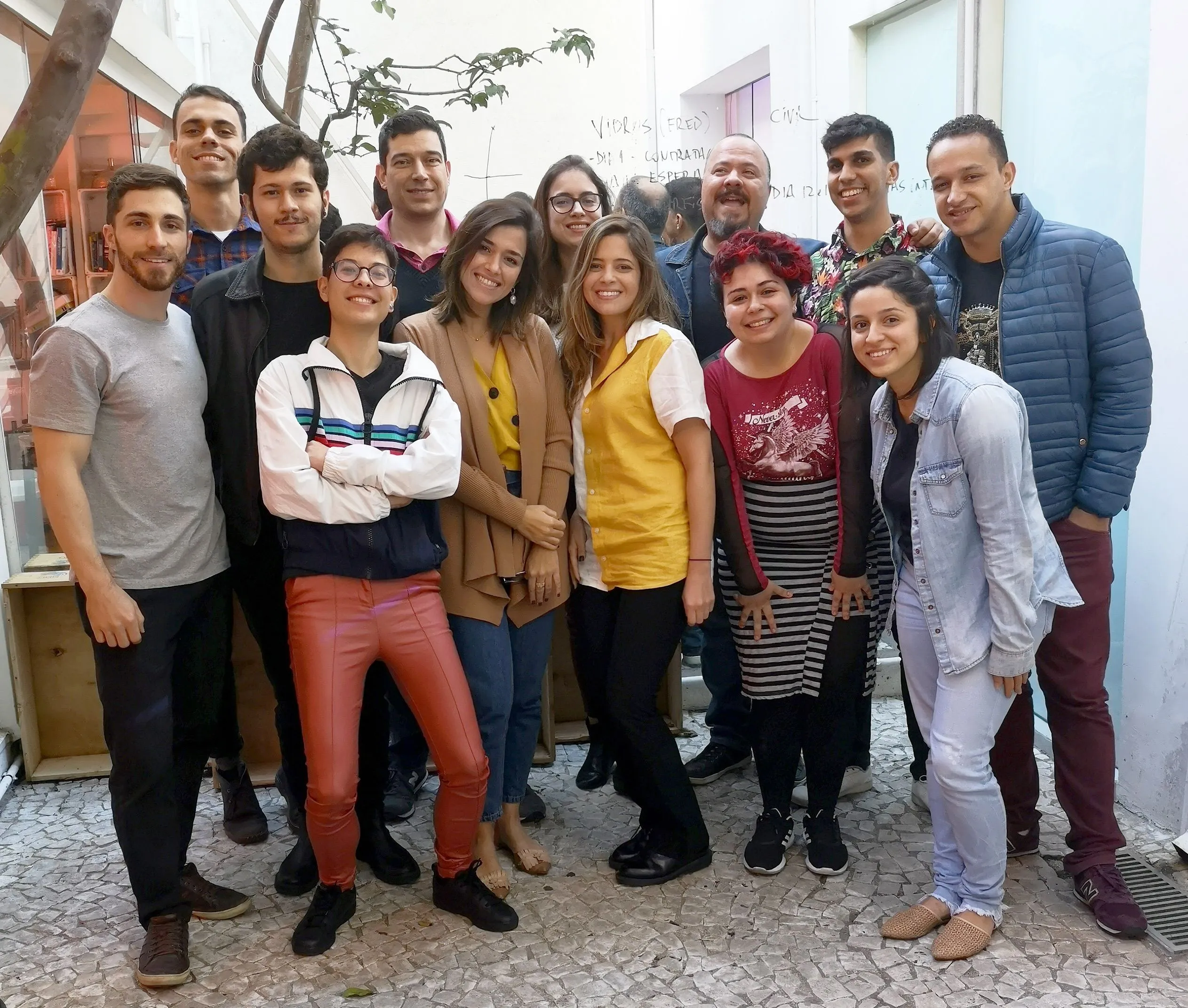
On the last day, participants presented their individual projects. The results ranged from Voronoi pavilions to organic surface structures, each reflecting a different interpretation of the natural processes explored throughout the workshop. Architect Marko Brajovic joined the final session to discuss biomimetics and its role in contemporary architecture.