
Agent skills
A living list of the agent skills I rely on when working with Claude Code: the ones I wrote, Matt Pocock's engineering and productivity skills, and community skills such as Superpowers and Diagram Design.
My research and publications.
A living list of the agent skills I rely on when working with Claude Code: the ones I wrote, Matt Pocock's engineering and productivity skills, and community skills such as Superpowers and Diagram Design.
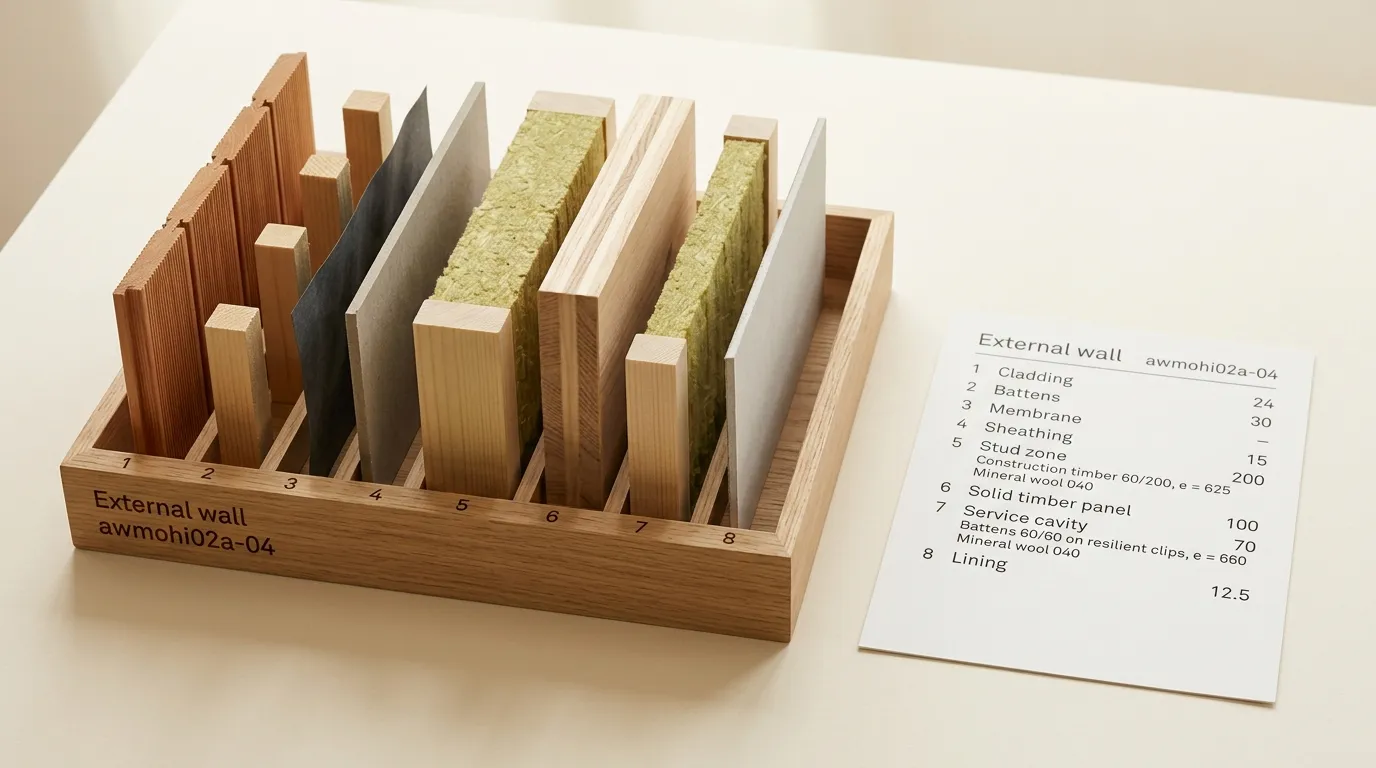
How a timber buildup becomes machine-readable: an ISO 23387 data model that nests layers and products inside a buildup, tightens a data template into a requirement sheet and satisfies it with a data sheet, published as the versioned hm/dokwood dictionary on bSDD and designed to carry DOKwood's Revit, Cadwork and MCP interfaces and a future digital product passport.
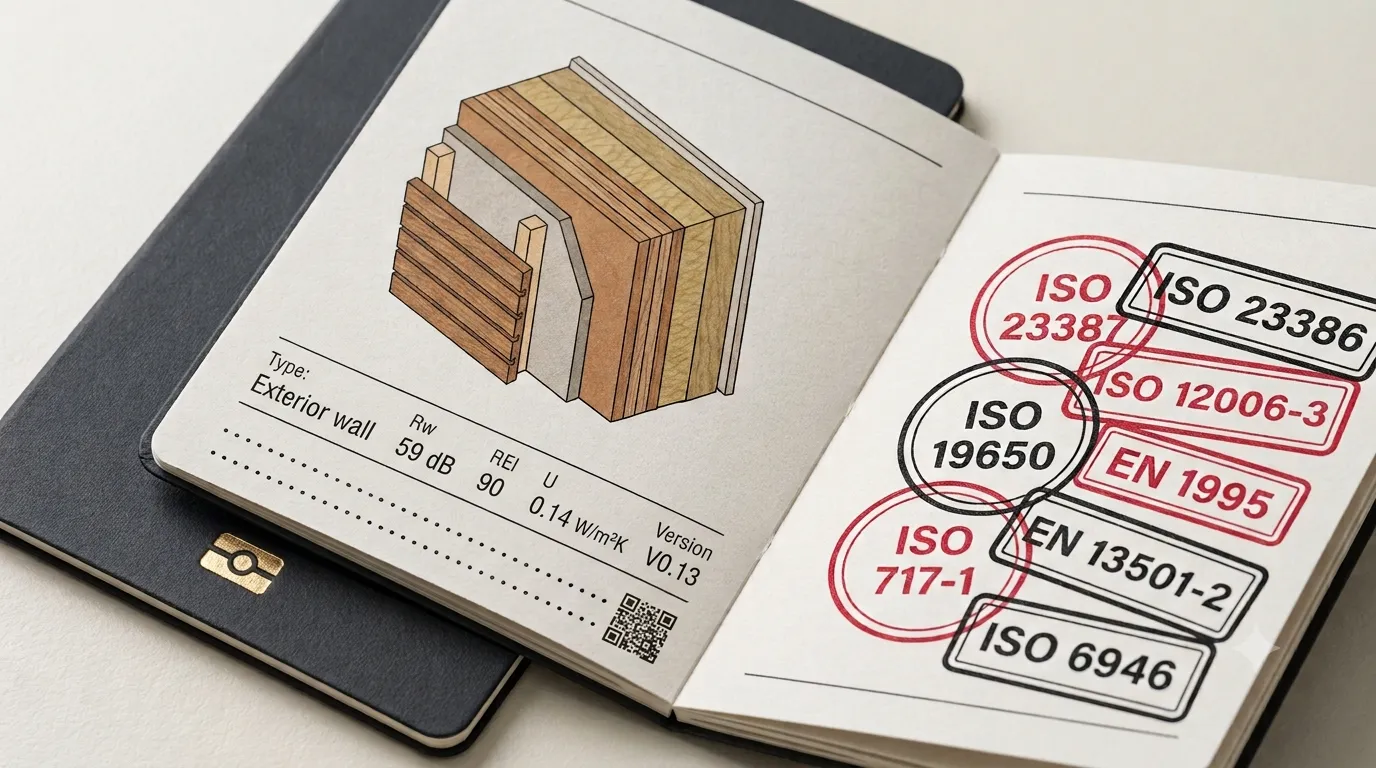
A systematic review of the ISO, GS1, CEN, DIN, SIA and KBOB standards that govern how materials and multilayer buildups are specified in timber construction, from fire and building physics to BIM data templates and the digital product passport. Work package 1.2 of the DOKwood project.
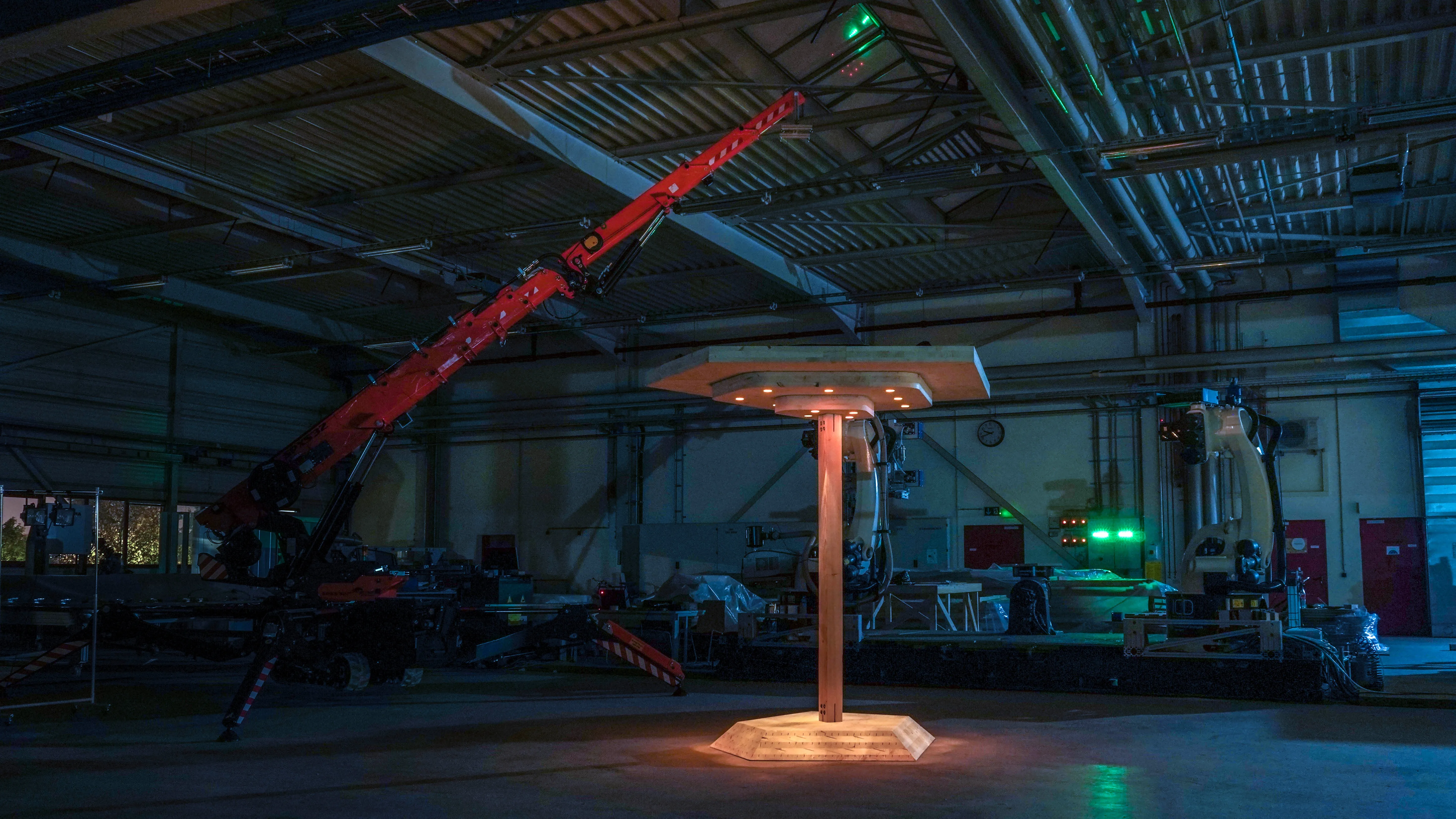
The research proposes a heterogeneous multi-scalar robotic construction system to further automate on-site timber construction. Specifically, it presents the next step in the automation of on-site gluing by introducing a custom clamping robot for the on-site pressuring of timber elements. Therefore, at the core of the research lies the development of the clamping robot as part of a larger robotic construction team, including an industrial robotic arm and an automated crane in co-design with the material and building system.
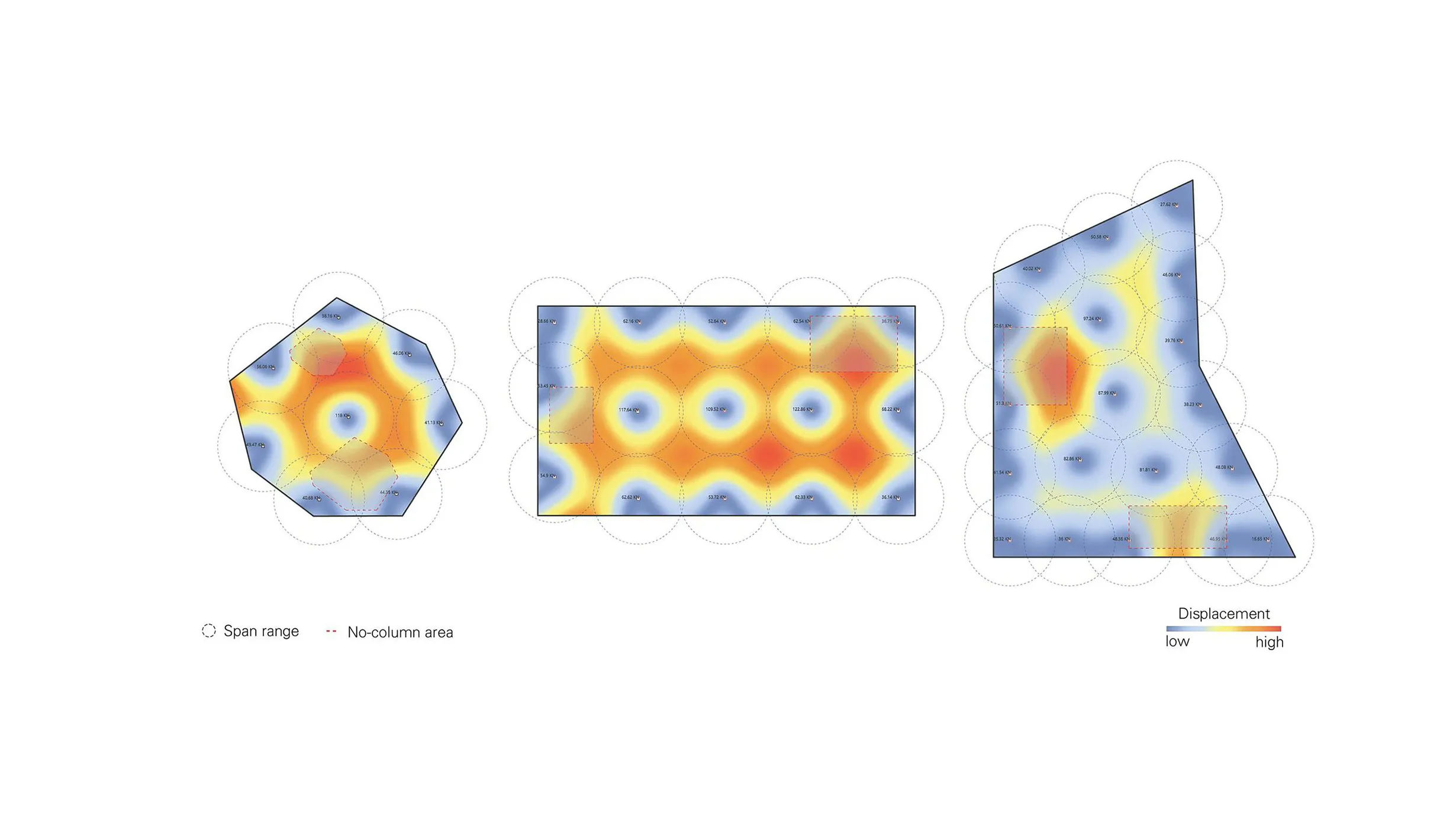
This paper presents a feedback-based computational method for placing columns in the early design phase of complex multi-story structures. The method integrates a circle packing algorithm, a spring system, and structural engineering simulations within a single script for the reciprocal and informed arrangement of columns in the space. While allowing the users to have an explorative approach, it empowers diverse potentials in multi-story constructions, including additional cantilevering spaces around the boundary, increased spatial qualities with large span possibilities, multidirectional structural arrangements, and multi-purpose use of space. As a result, the developed algorithm allows for flexibility by leveraging the design possibilities of grid-based and irregular column arrangements. It promotes the integration of structural and design-related constraints in the spatial organization of various building typologies.
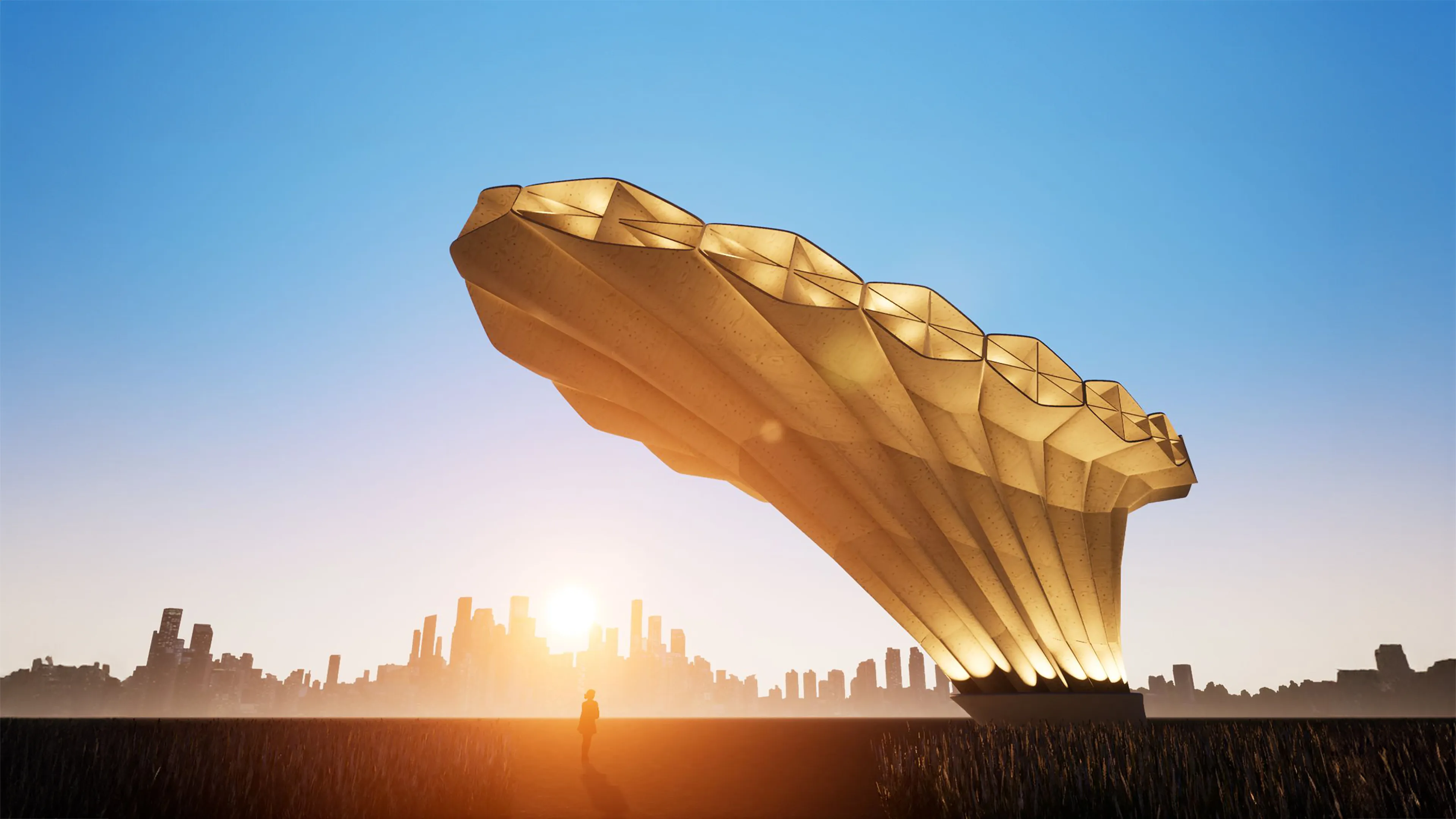
Acropora pavilion, a project developed for the course Biomimetics of the Master program ITECH from the ICD & ITKE University of Stuttgart. Acropora is a pavilion inspired by the growth of corals.
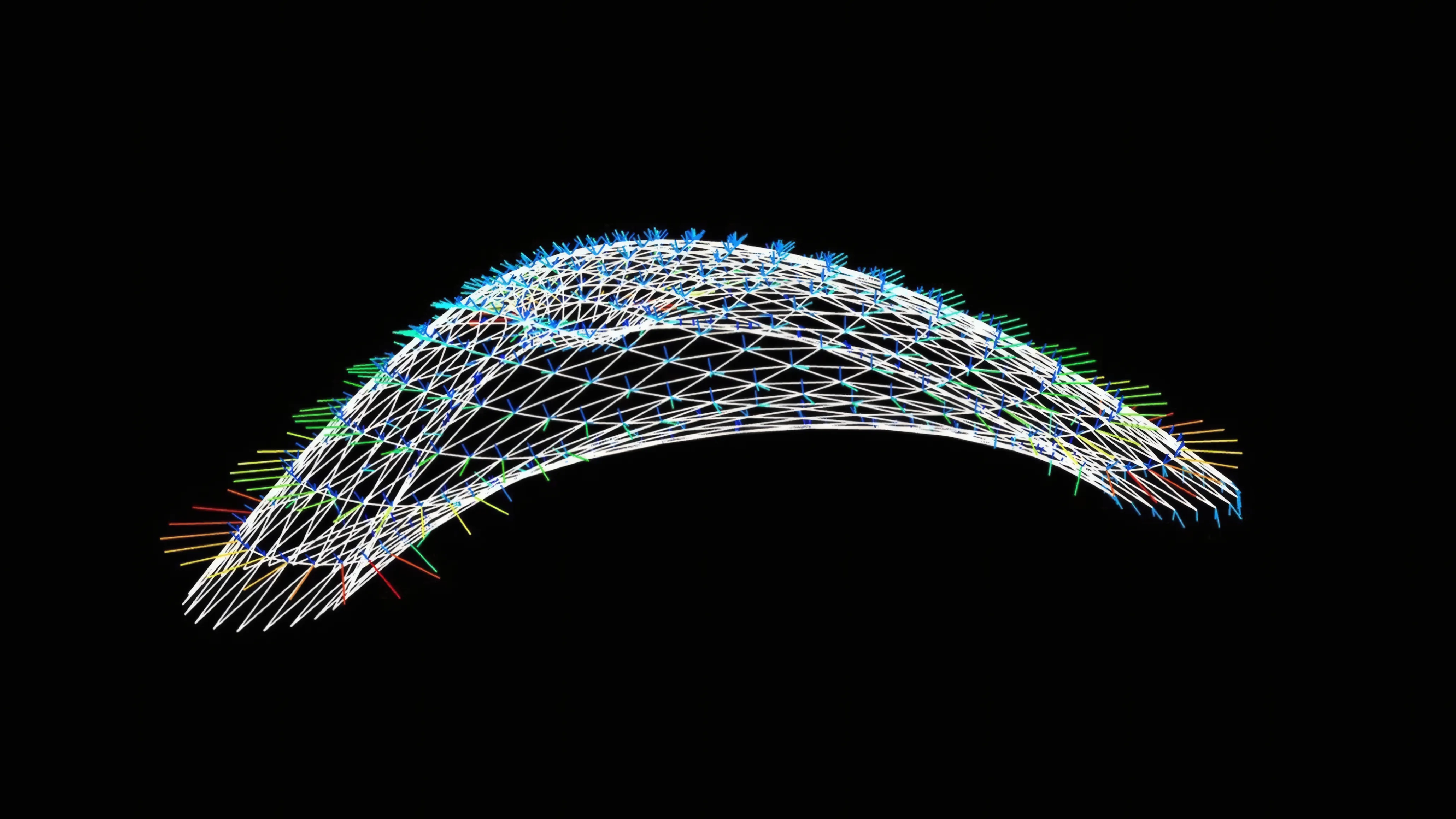
Research developed for the ITECH course Form and Structure. We were inspired by the ZCB Bamboo Pavilion, but we developed our own workflow using Grasshopper, Kangaroo Physics and K2Engineering.
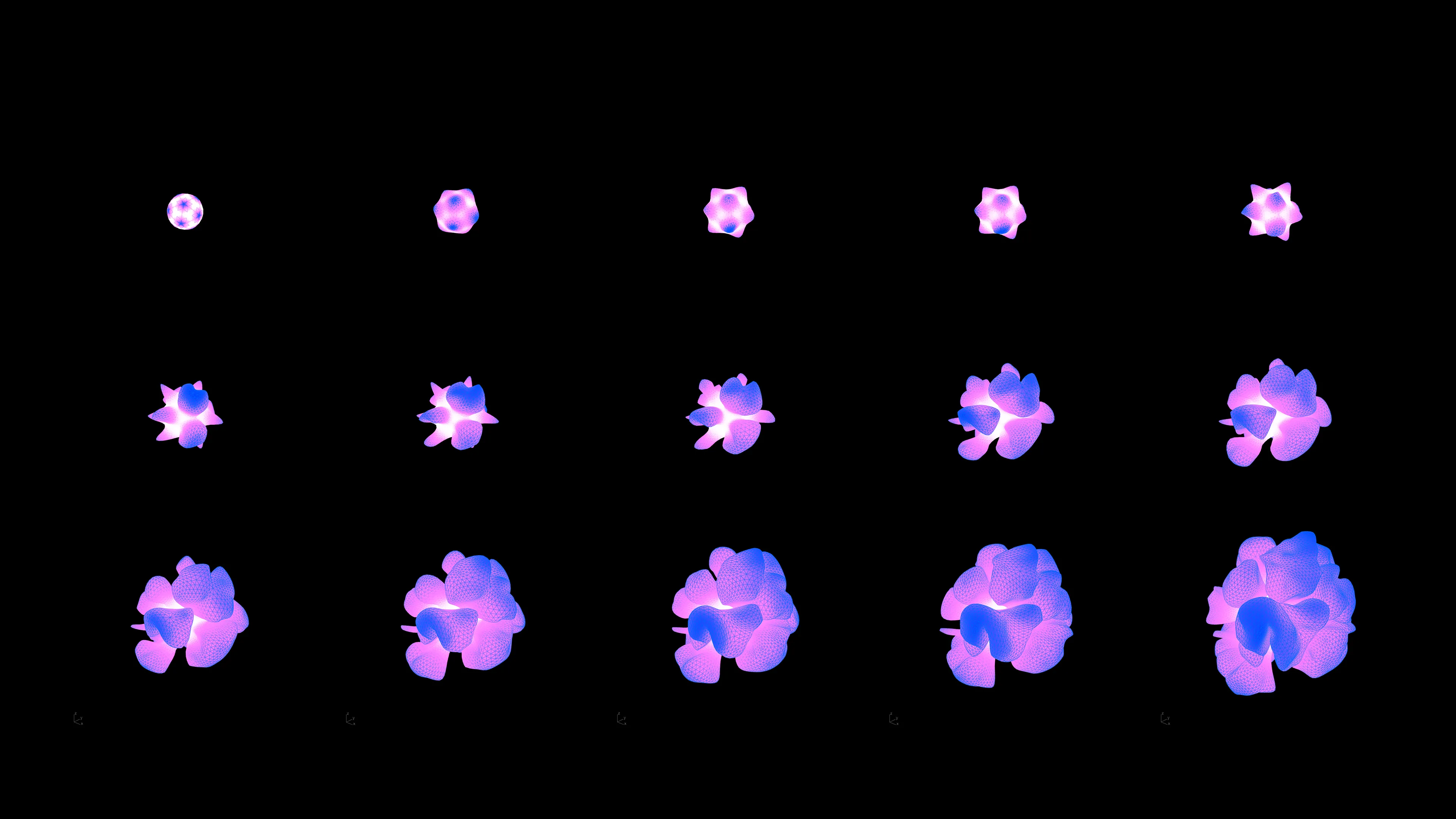
Research developed for the ITECH courses Computational Design and Biomimetics. We were inspired by how corals grow; the code was developed using Grasshopper and a custom Python component we created. In the Computational Design course, we learned to develop custom Grasshopper components using Python and C#.
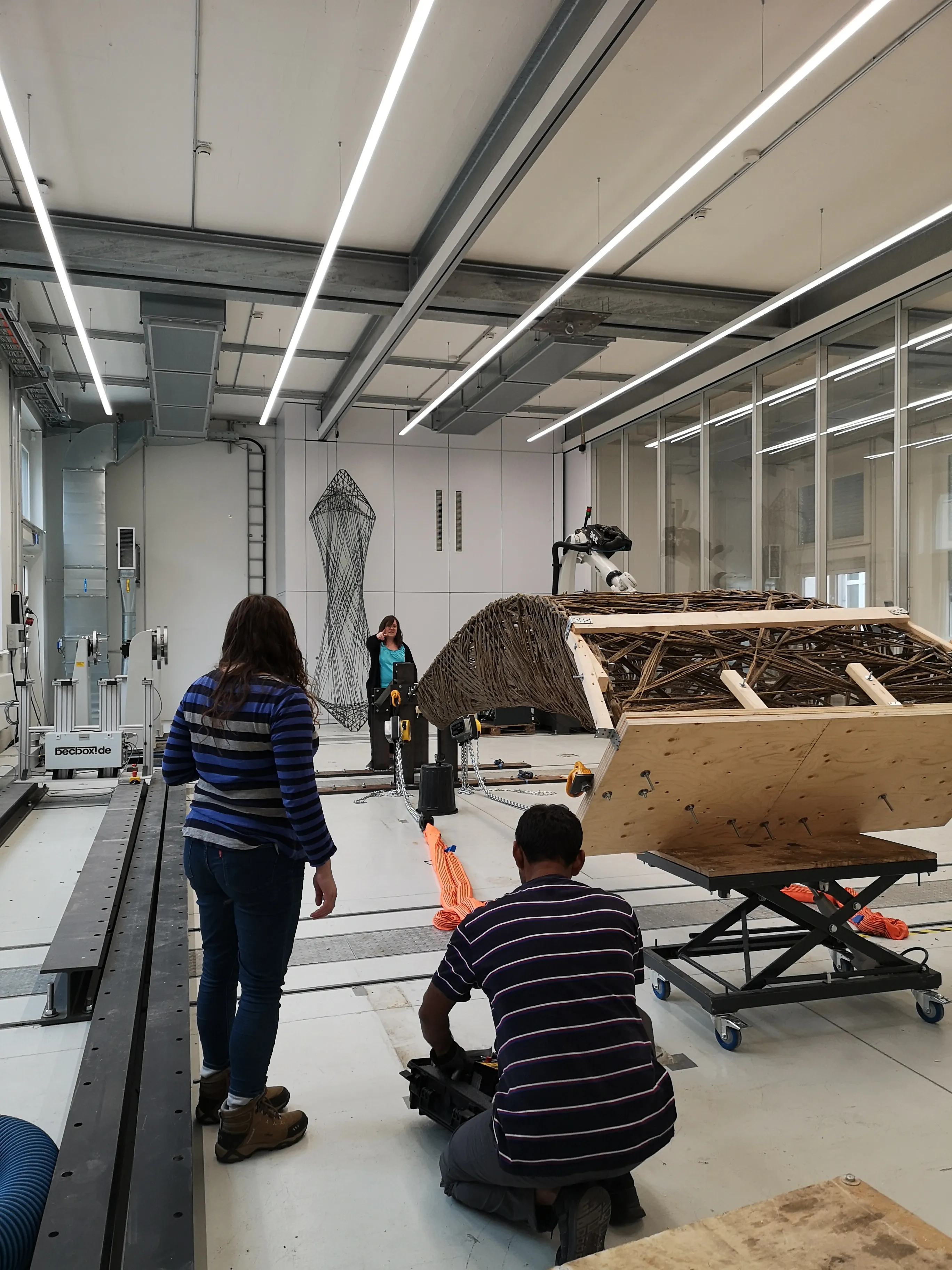
As a research assistant, I helped Marta Gil Pérez with the load tests of natural fiber specimens for the livMatS Pavilion. The main takeaway was about the relationship between computer simulation, physical experiments, and the researcher's intuition.
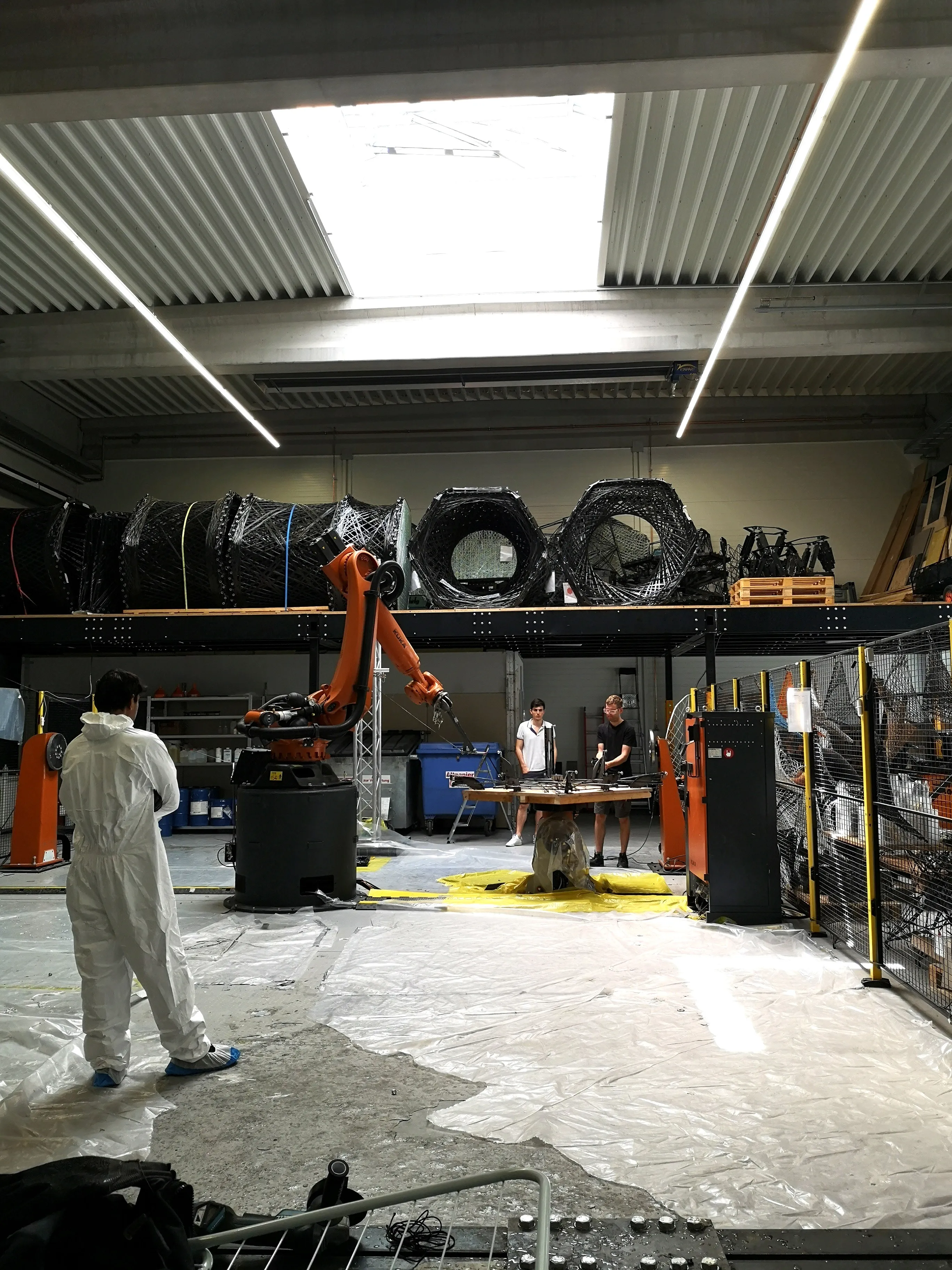
Investigation of computational methods to predict carbon fiber interaction during coreless filament winding. I assisted Christoph Schlopschnat with resin preparation, small-scale physical tests, and photogrammetry.
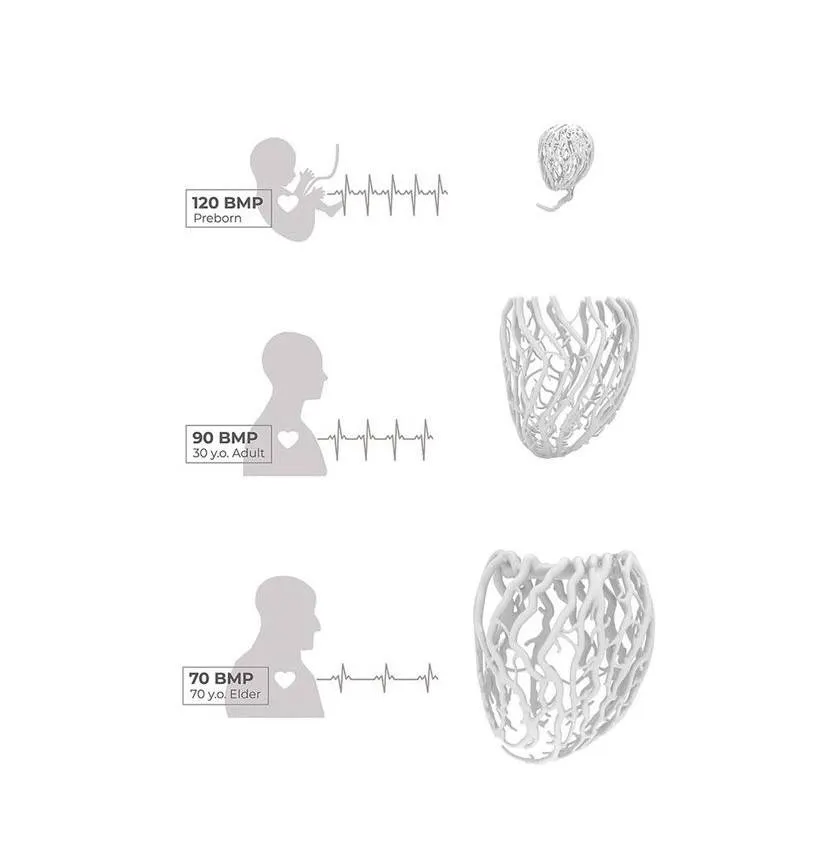
The design process is a hybrid between a top-down and a bottom-up approach. We worked both with predefined heart-like 3D models as the design base and with agent-based modeling, widely explored by Craig Reynolds in the 1980s. The programming part was developed using Grasshopper 3D, the two-week-old plugin Culebra v2.0 for the agent-based modeling in conjunction with the Firefly plugin to capture the heartbeats. This work became later a paper presented at the eCAADe 2020.

Here I present a compilation of strategies I have encountered over the nine years since I started my studies in this fascinating area! Everyone who begins to study computational design learns this compilation of information in one way or another. Some build libraries of links and files; others store them in their heads. However, this is information that everyone learns after many years of research.
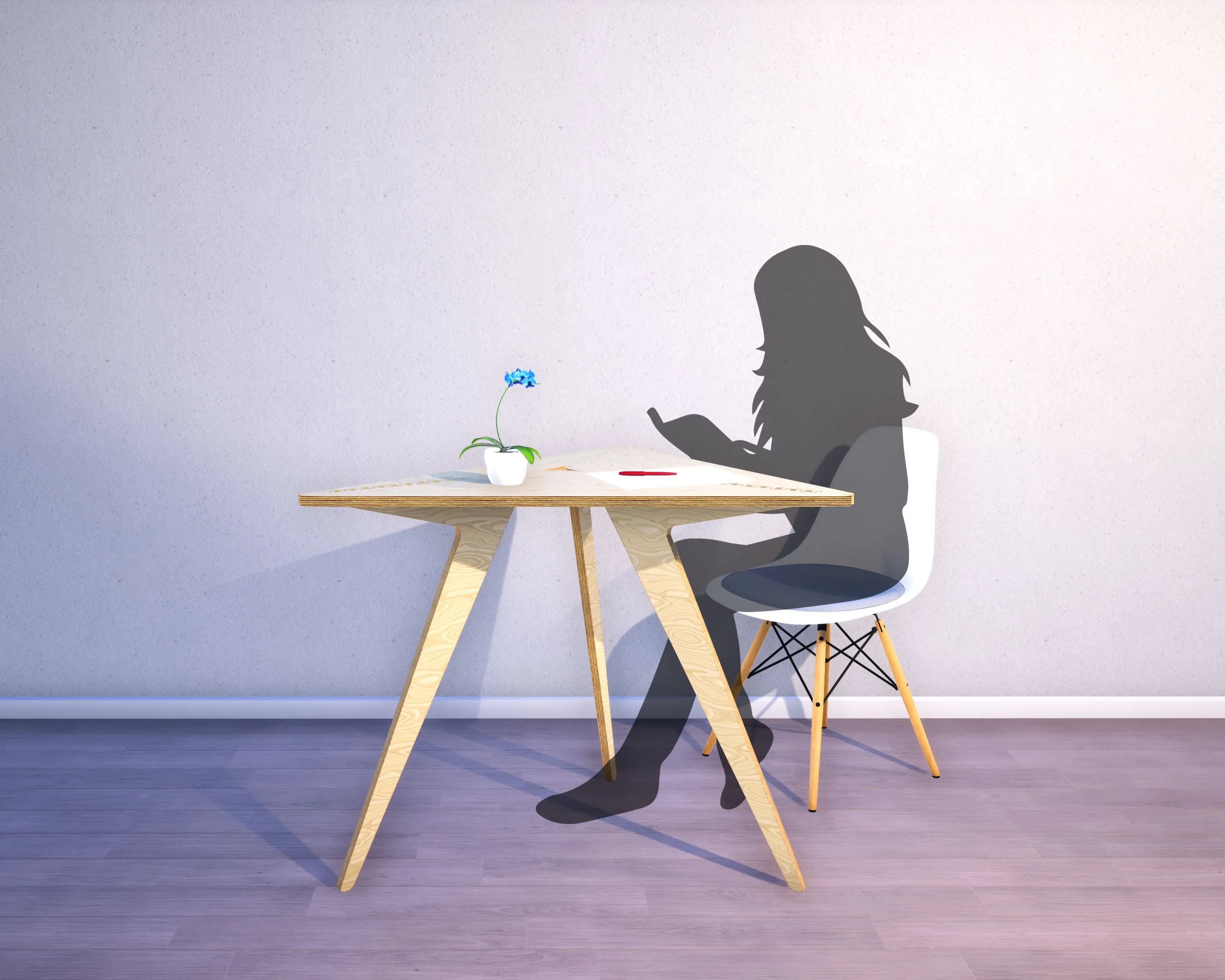
The emotional design associated with computational design aims to rethink the entire industrial production chain and get closer to Industry 4.0. A transformation that affects the product's entire life cycle: design, manufacturing, and consumer behavior.
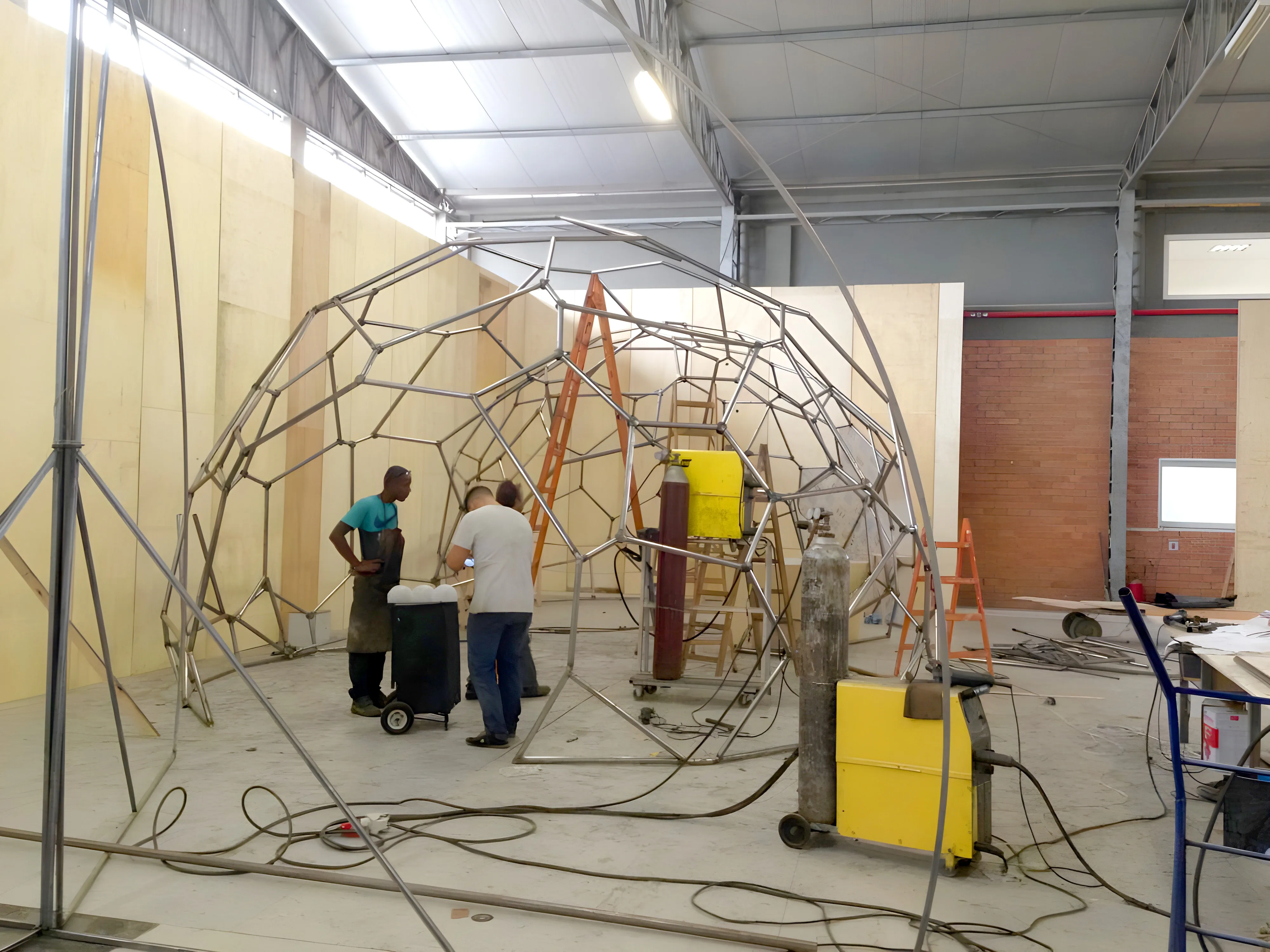
This paper investigates the concept of high-low: high technology in the design phase with low technology in the fabrication phase. The ephemeral architecture has the potential to combine academic and artistic knowledge in Brazilian commercial production. One experimental case study designed for Expo Revestir for Docol in 2017 is presented here, balancing the paradigm of computational design with the academic field and viable commercial applications.
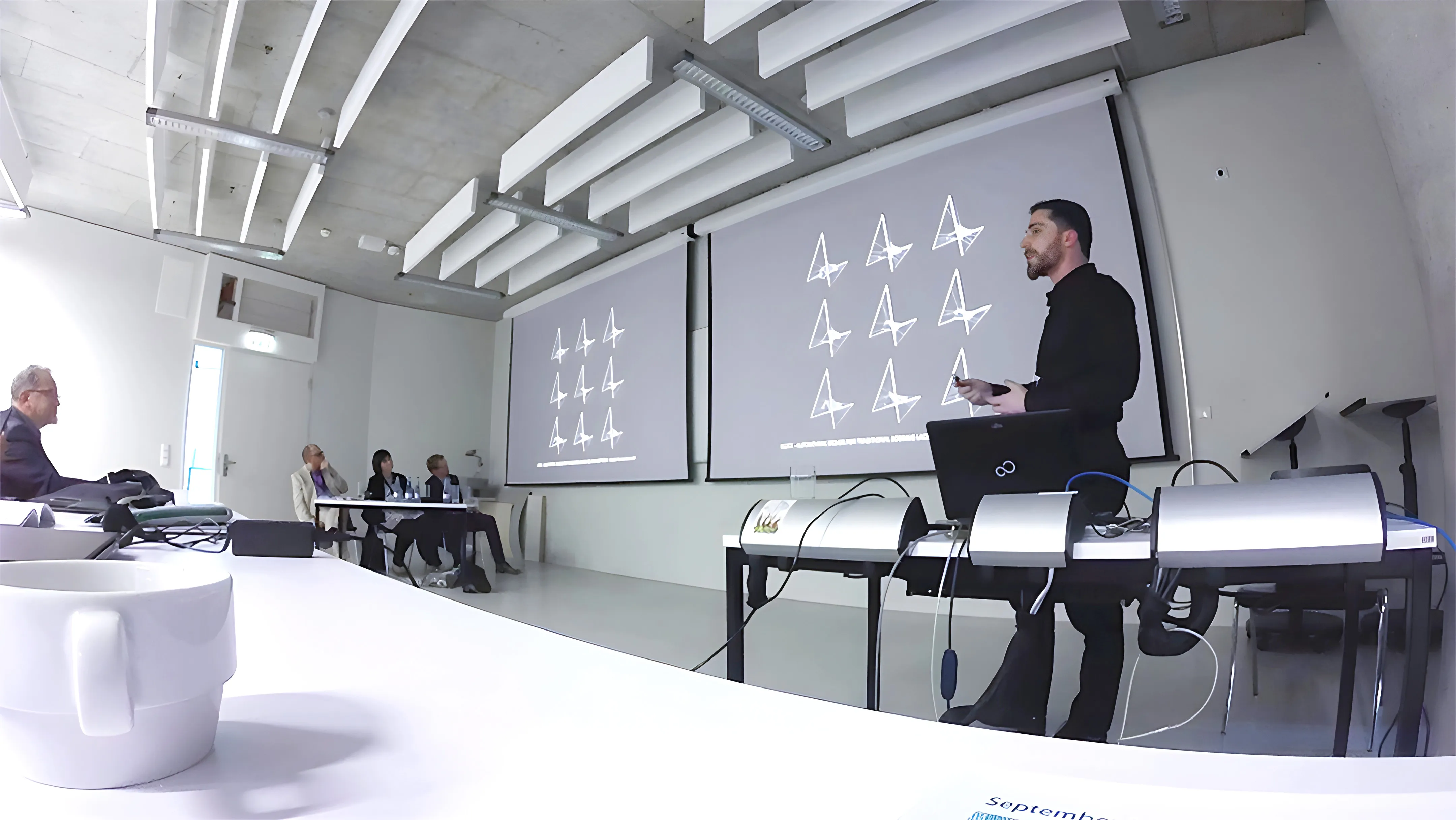
This paper investigates the potential application of digital tools in designing and fabricating textile weaves through the combined use of form finding and the traditional bobbin lace technique.
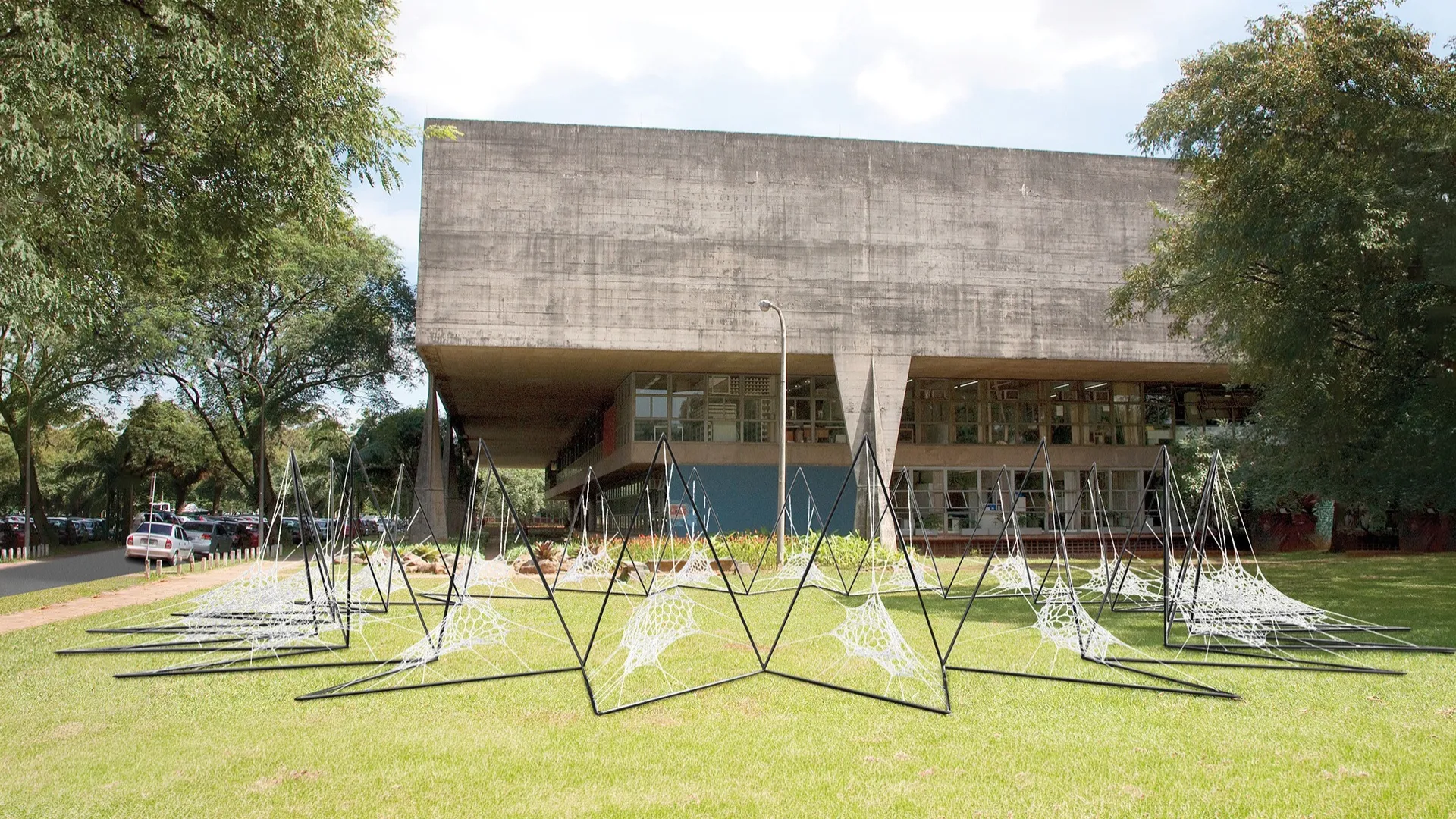
This is an introductory study on the possibilities of applying computational design in architecture, focusing on form finding. To this end, case studies of great historical, technological, and artistic relevance were examined in order to analyze their respective design processes through reverse engineering using the Rhinoceros 3D software and its Grasshopper plug-in. It was found that biomimicry played a fundamental role in the researched projects and, therefore, serves as a guideline in this study. Finally, to consolidate the knowledge absorbed in this process, a temporary pavilion was proposed for FAU-USP.