Models byNature 2.0
| Date | |
|---|---|
| Last updated | |
| Author | Daniel Nunes Locatelli |
| Place | Atelier Marko Brajovic |
| Location | São Paulo, Brazil |
| Language | Portuguese |
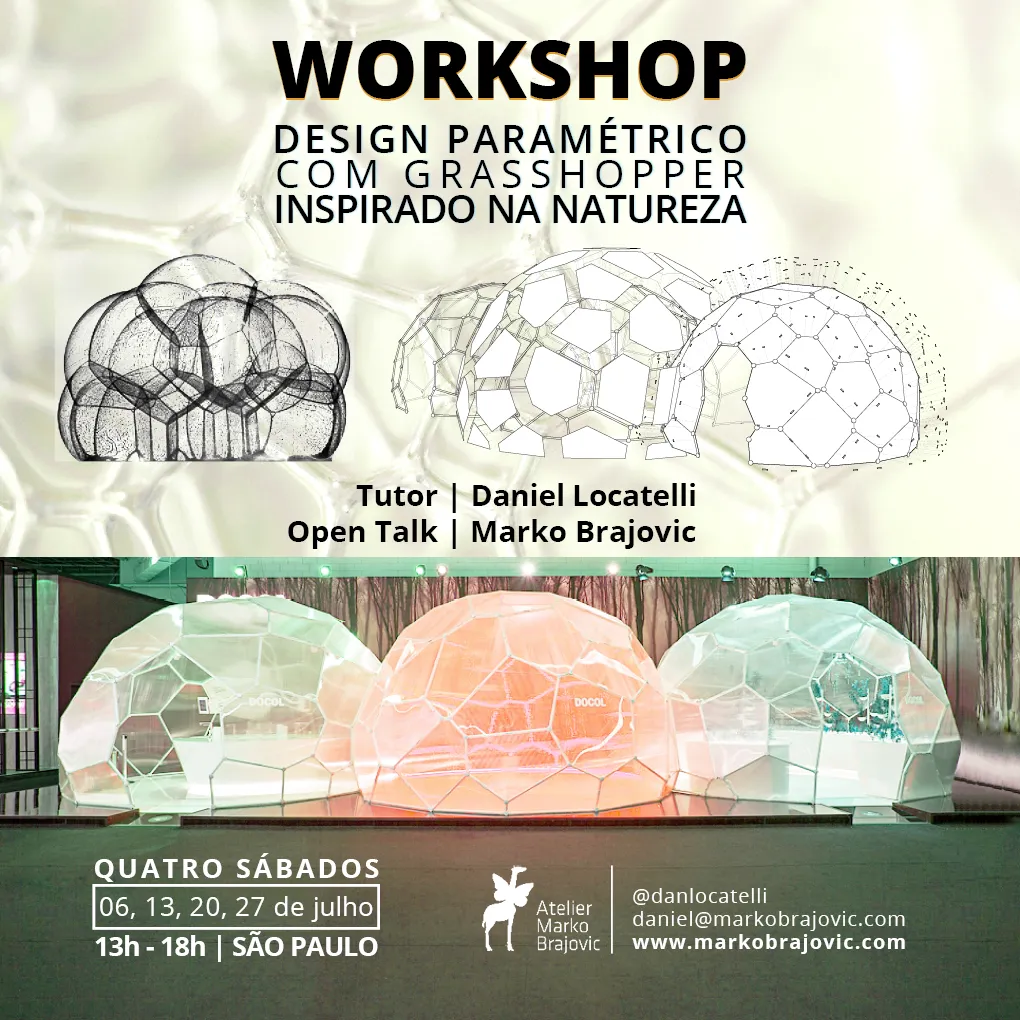
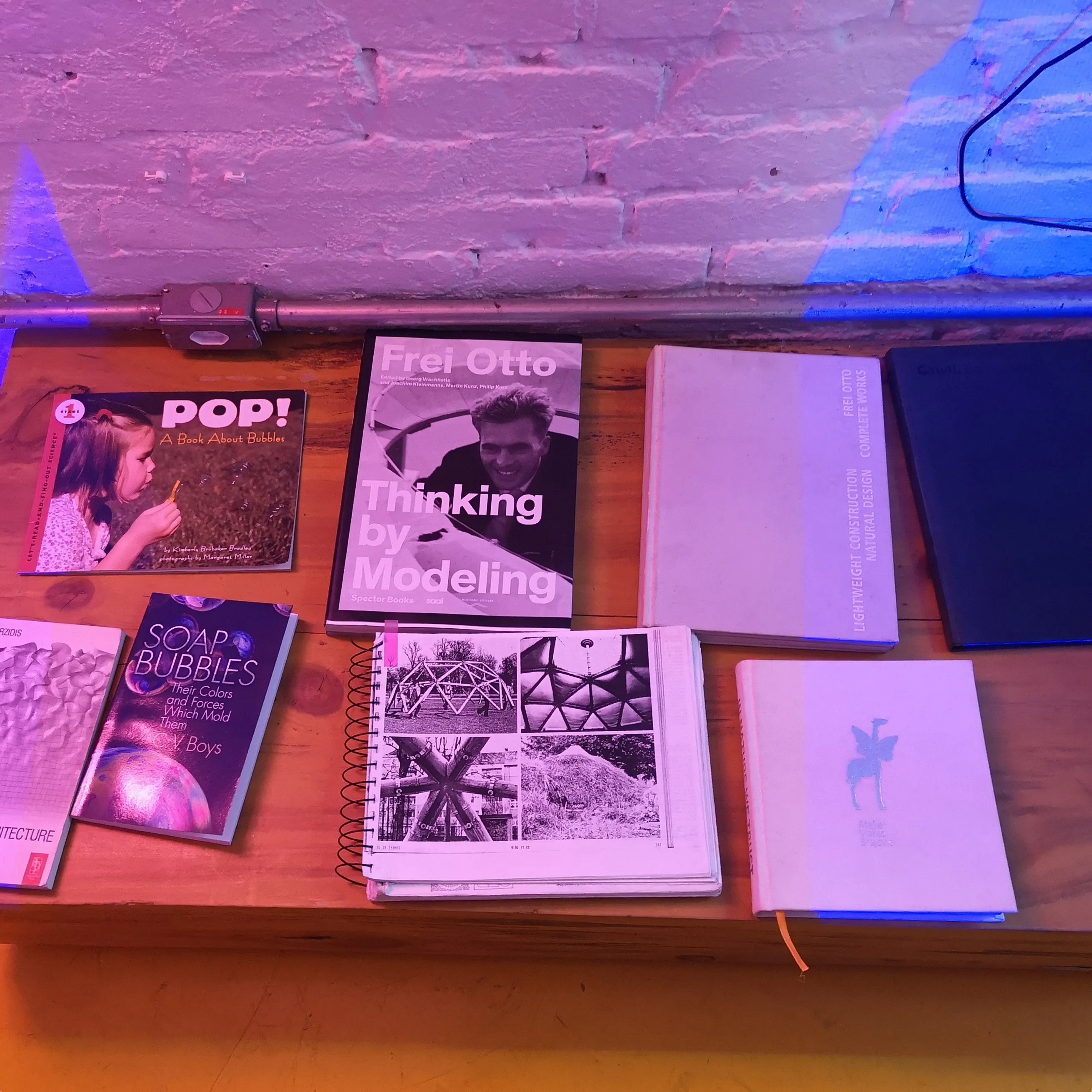
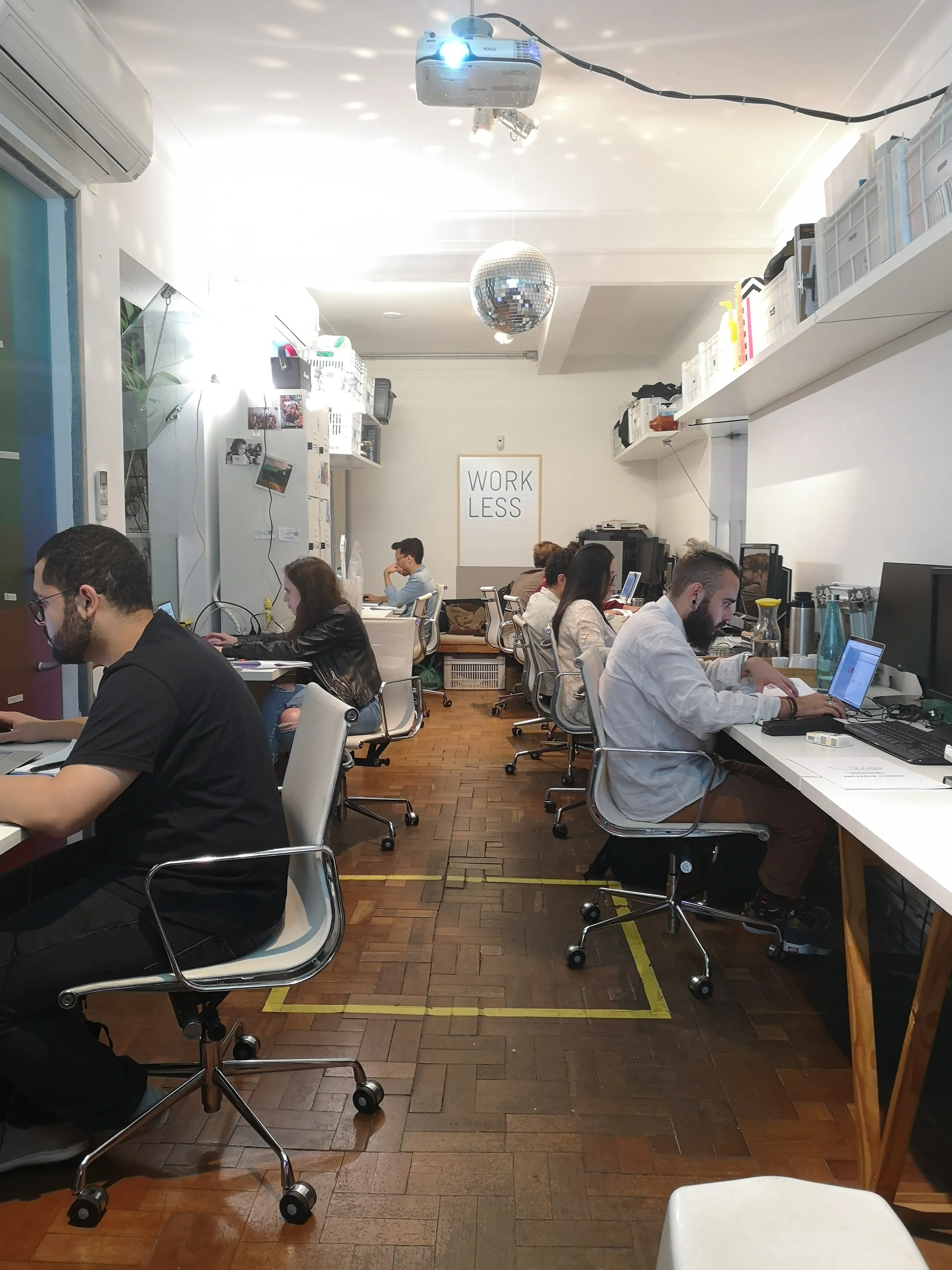
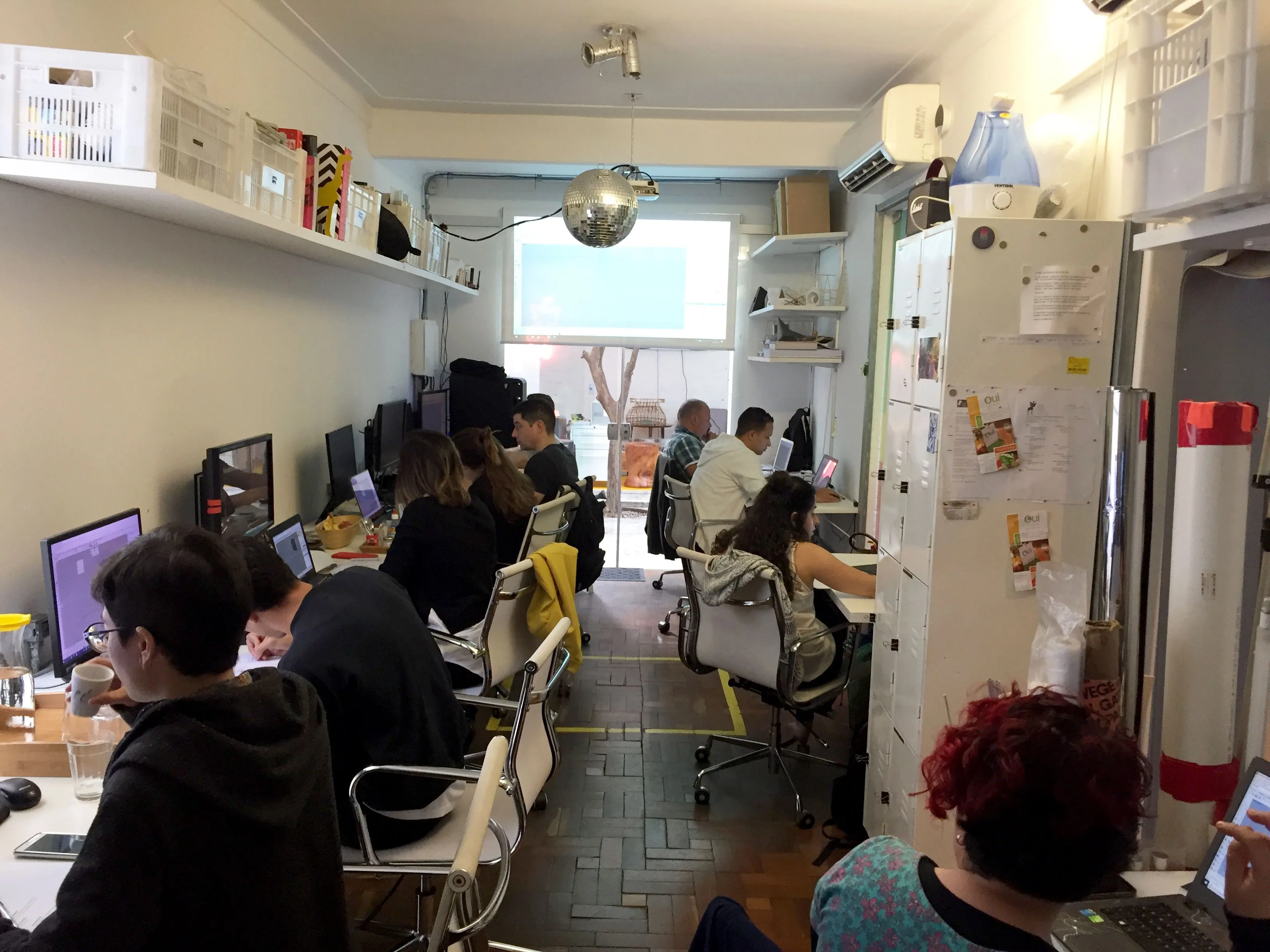
Following the success of Models byNature 1.0, this second edition continued the workshop format across four Saturdays, further deepening the connection between computational design and natural phenomena. Held at Atelier Marko Brajovic in São Paulo, the course guided participants through physical form-finding experiments, parametric modeling with Rhino and Grasshopper, and biomimetic design principles. Reference literature, including Frei Otto’s “Thinking by Modeling” and C.V. Boys’ “Soap Bubbles”, provided the theoretical foundation for the workshop’s hands-on approach.
Form-finding experiments
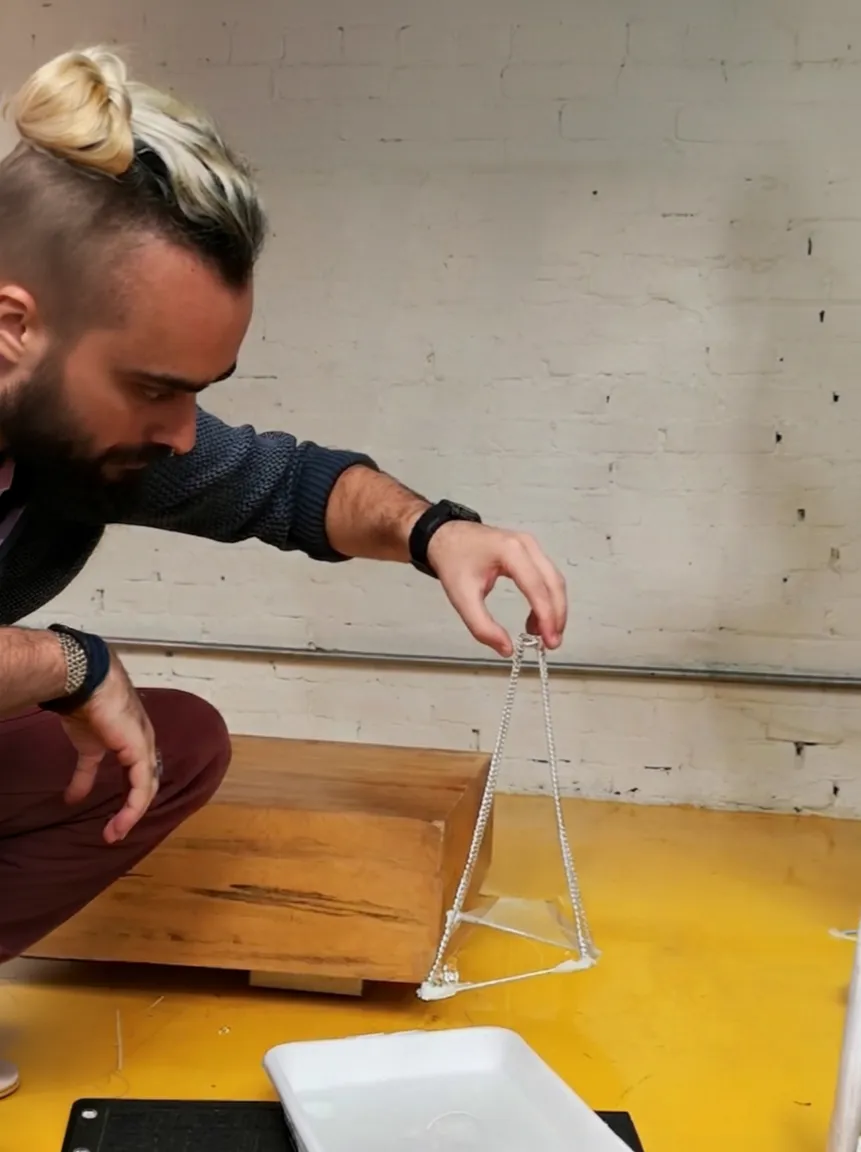
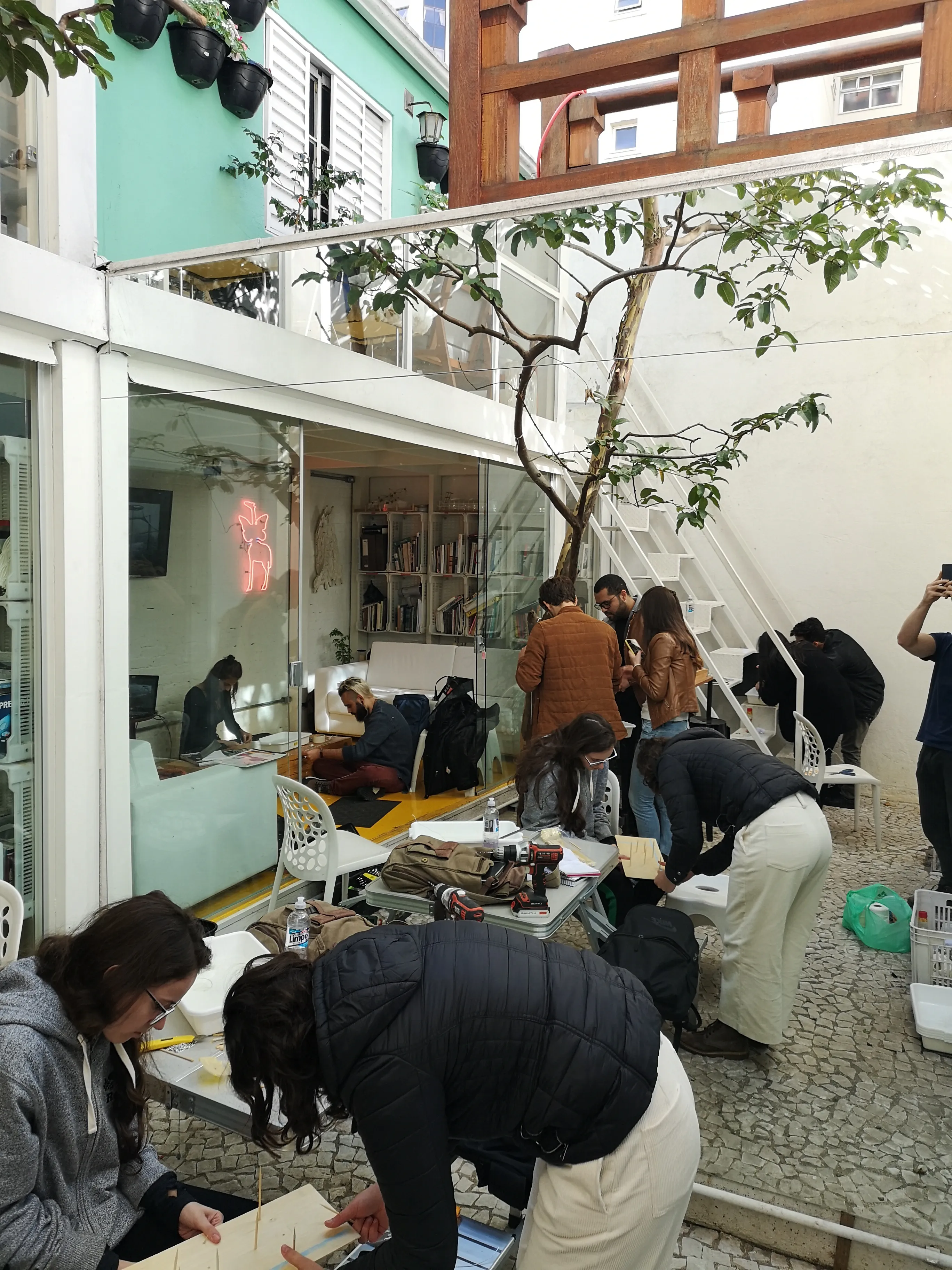
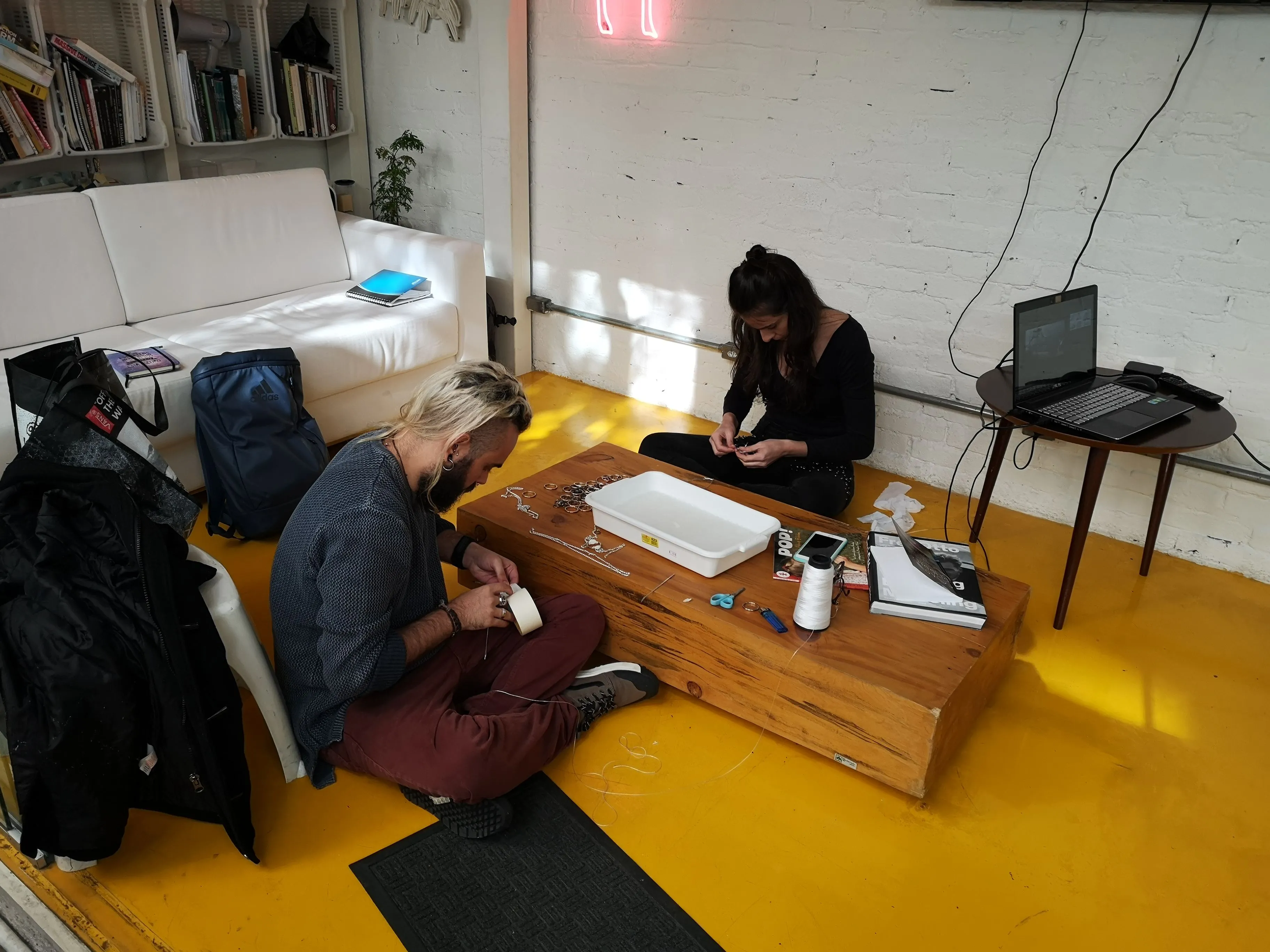
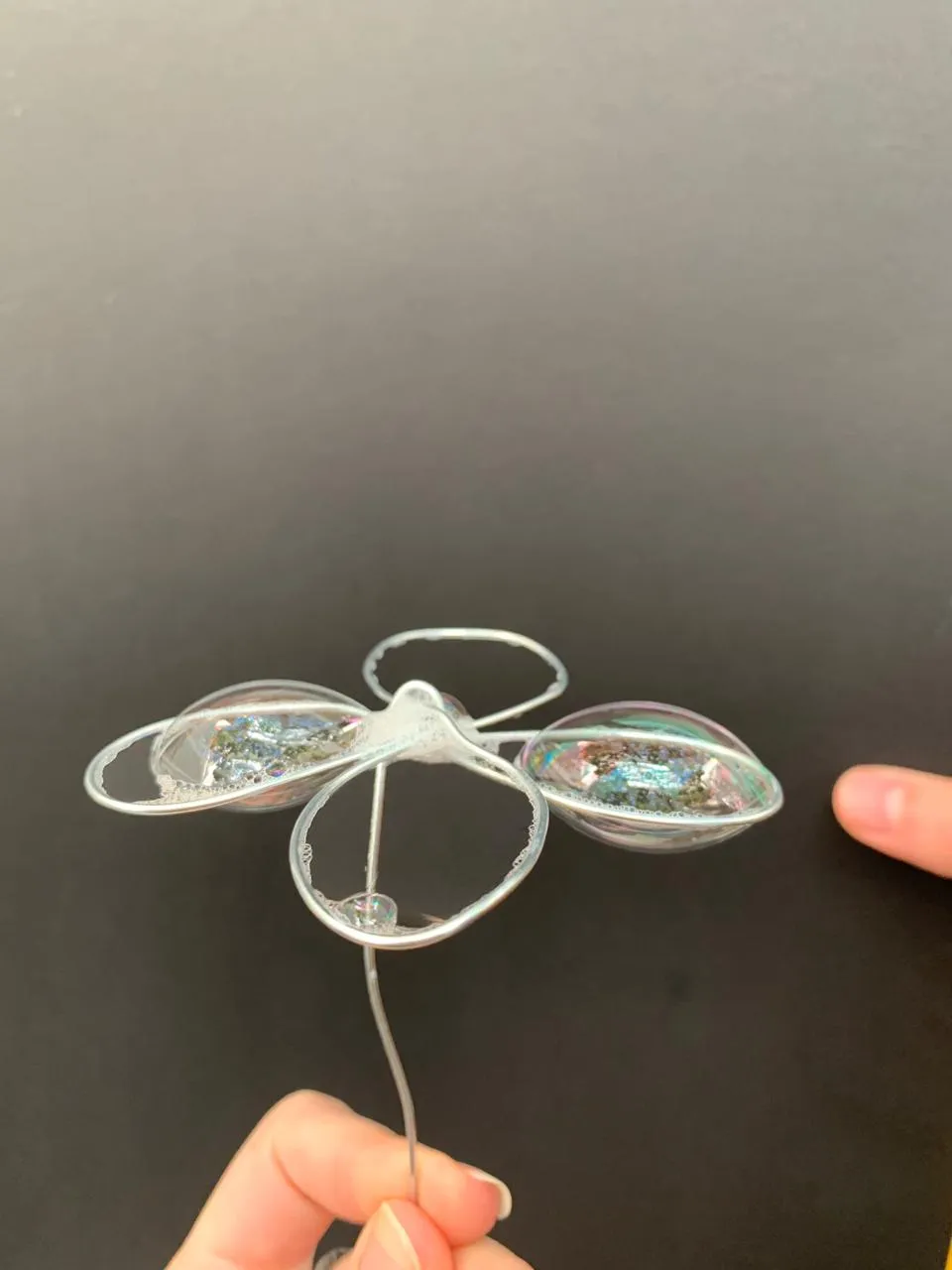
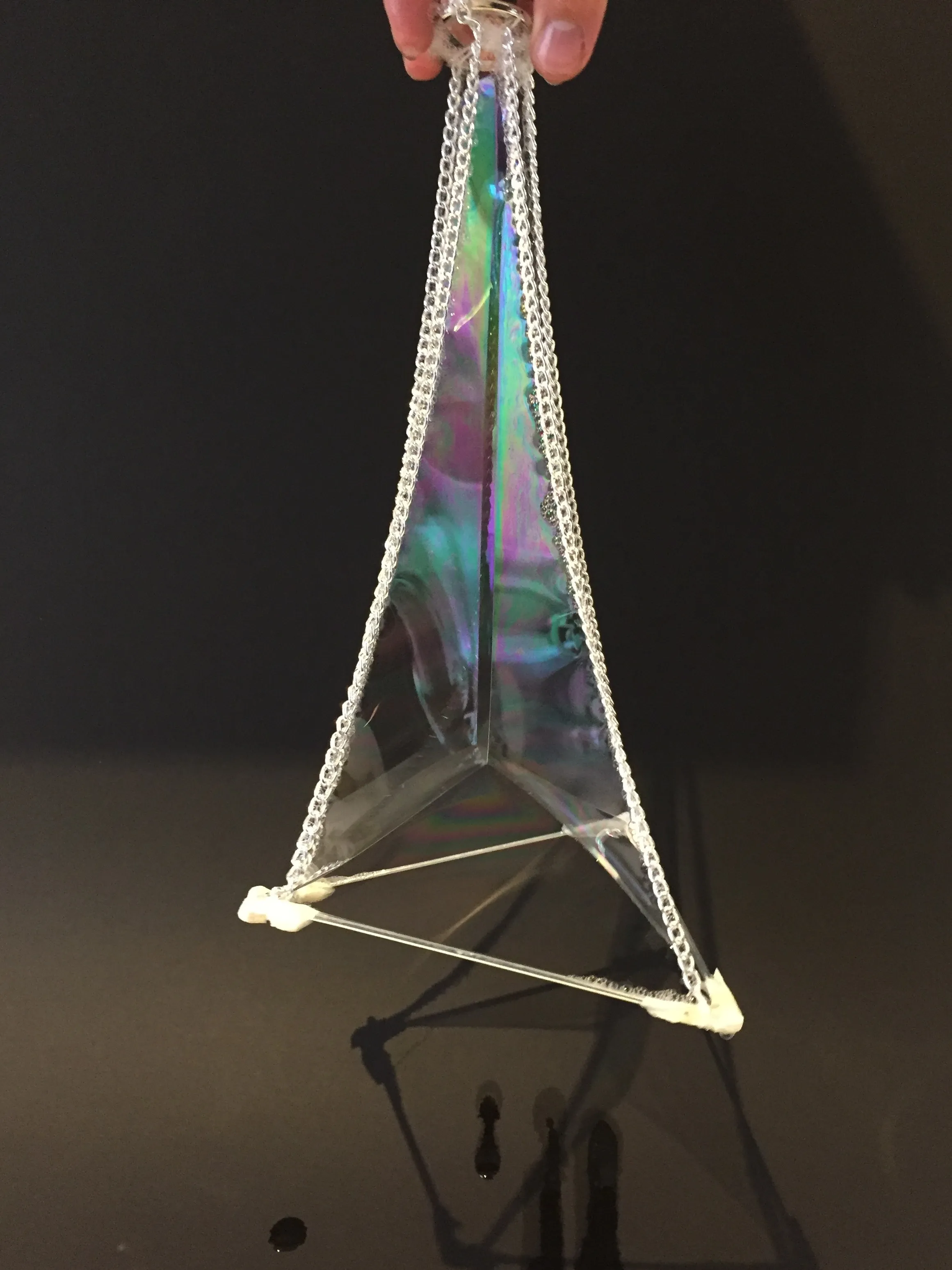
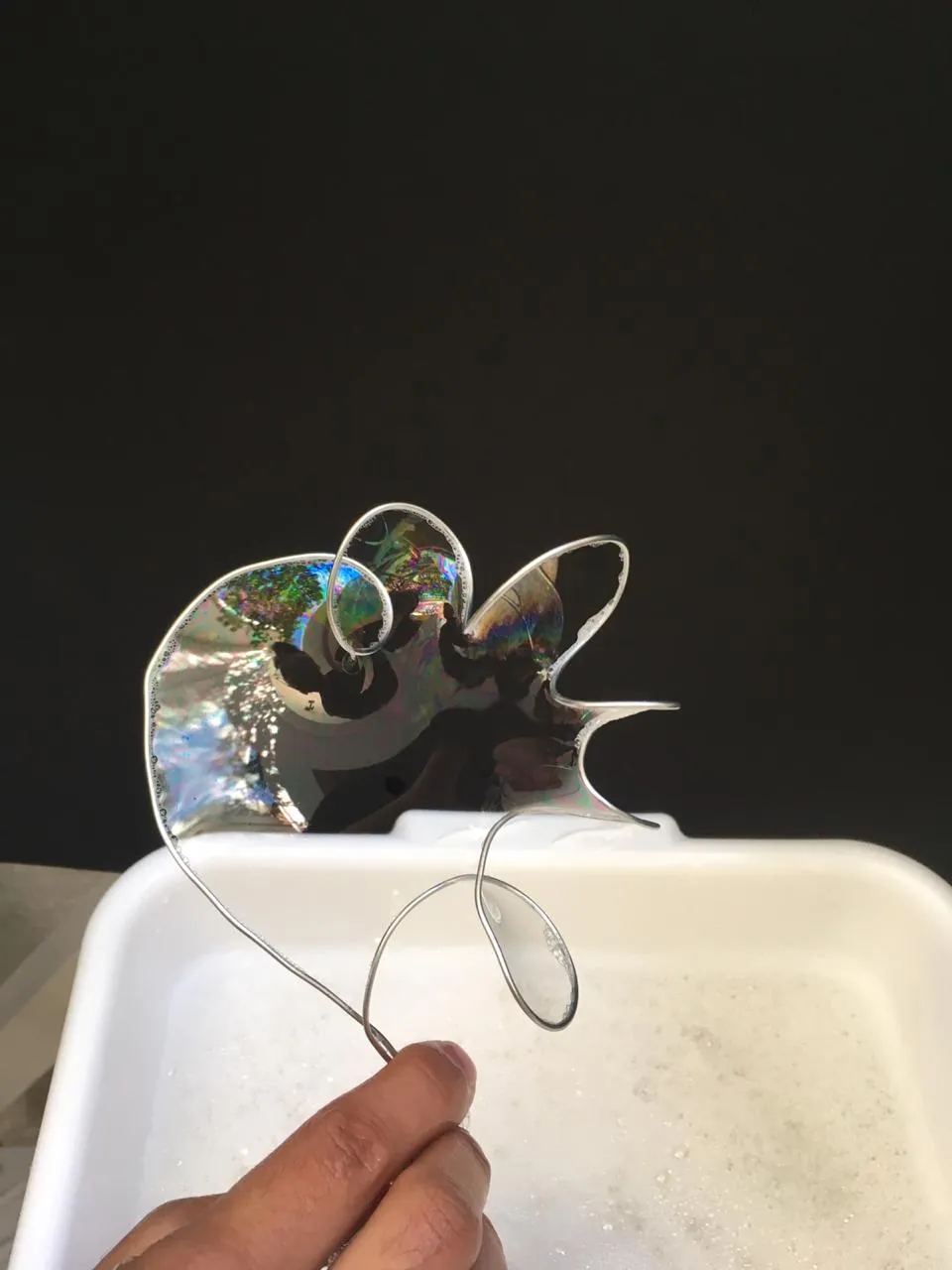
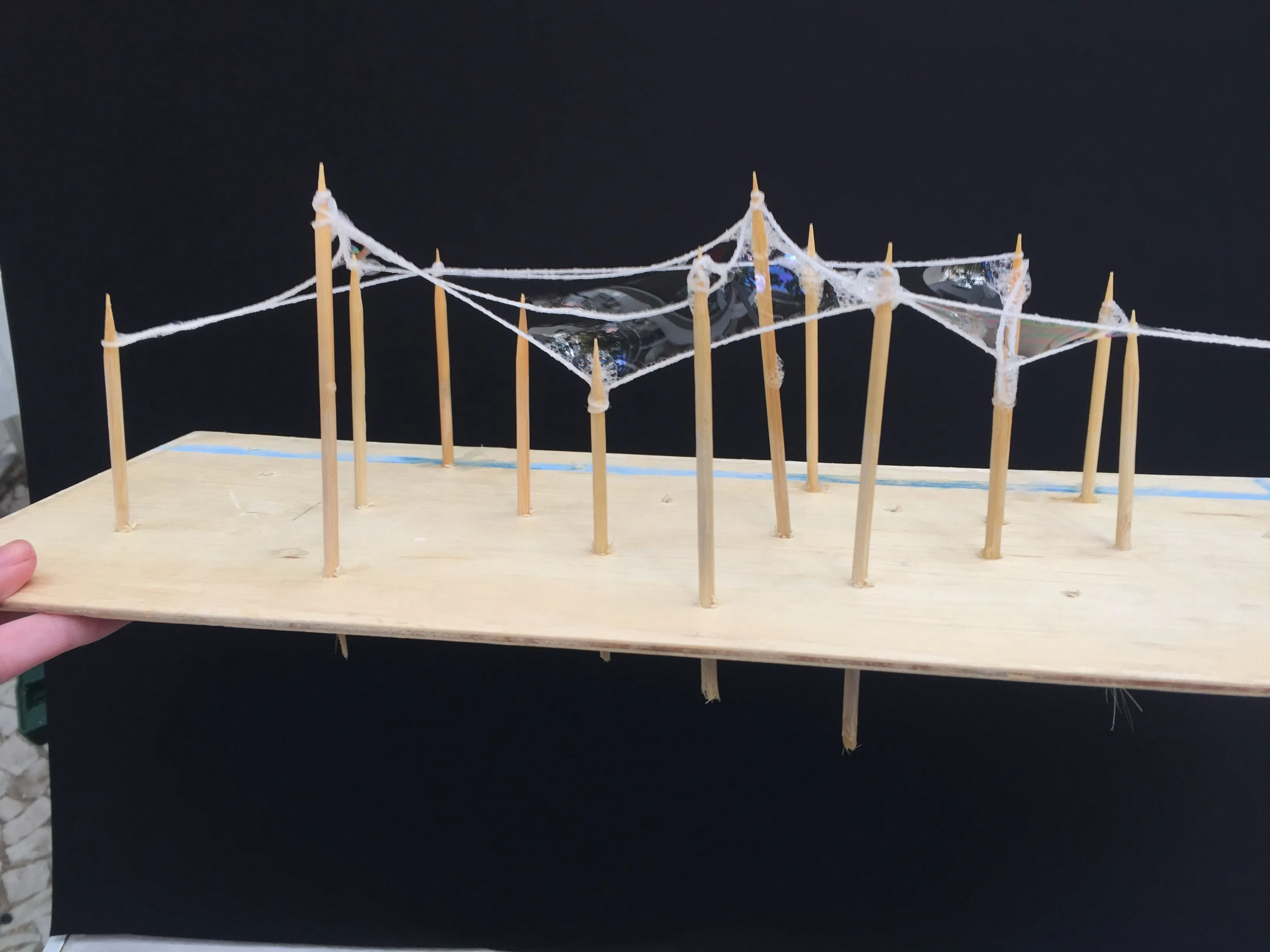
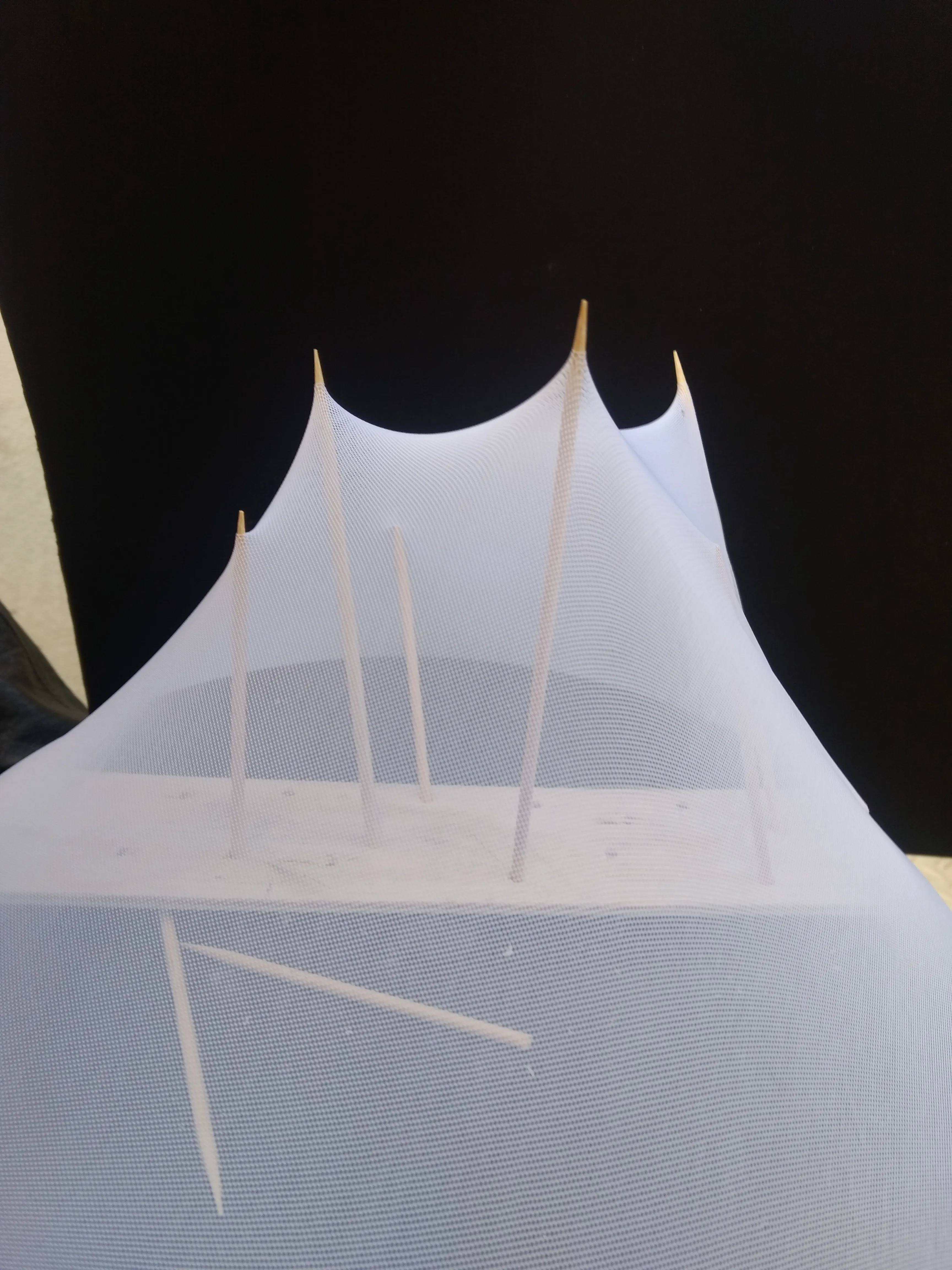
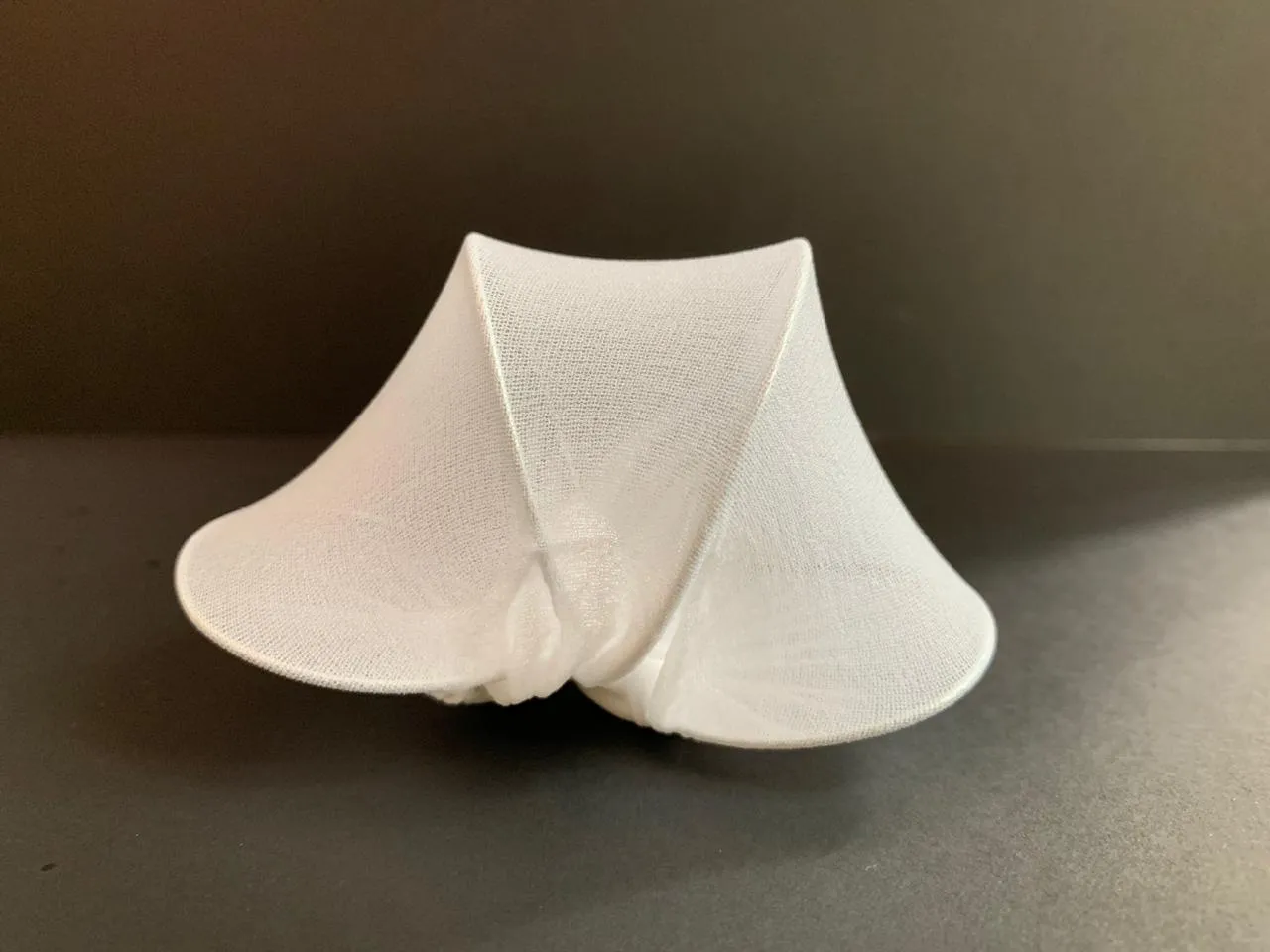
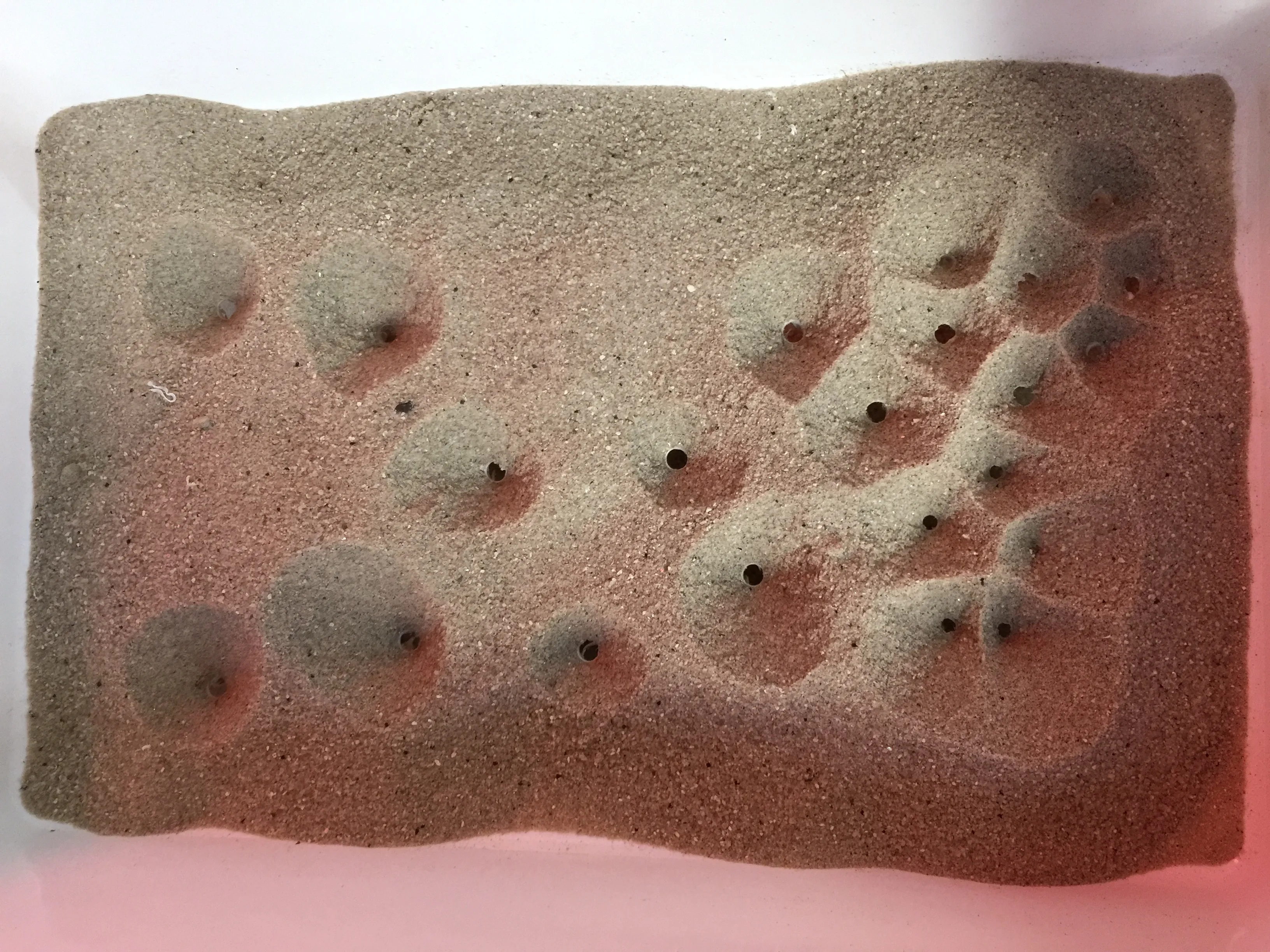
The first Saturday was dedicated to physical form-finding. Participants built wire frames and dipped them into soap solution to reveal minimal surfaces, the same principle Frei Otto used when designing tensile structures. Catenary curves emerged from threads suspended between sticks, fabric stretched over frames demonstrated membrane behavior under tension, and sand poured over perforated boards self-organized into Voronoi patterns. These experiments gave participants an intuitive, material understanding of the structural logic that computational tools later formalize.
Computational design phase
Over the following Saturdays, participants translated their physical experiments into parametric models using Rhino and Grasshopper. Topics included Voronoi tessellation, mesh relaxation with Kangaroo, surface subdivision with Weaverbird, and associative modeling techniques. Each participant developed an individual design inspired by the natural processes observed during the form-finding day. The progression from physical to digital reinforced a core principle: computational design is most effective when grounded in an understanding of the phenomena it simulates.
Final presentations
On the last Saturday, participants presented their individual projects. Architect Marko Brajovic joined the closing session with an open talk on biomimetics and its role in contemporary architecture and design, connecting the workshop’s exercises to broader themes in the field.
